
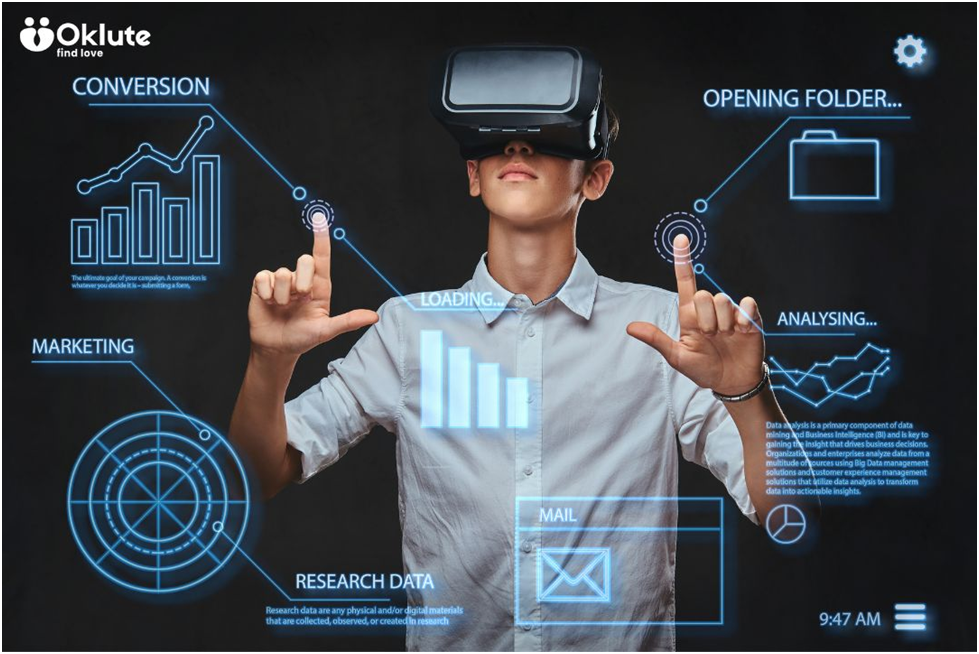
Technology is increasingly shaping how individuals make their everyday decisions. From having a look at the traffic on your way out of the house to getting shopping recommendations and keeping track of your household’s energy consumption, digital tools really do help you forecast a situation and then take the right action. Quite a bit of the benefit comes from predictive technology itself, which makes use of data, algorithms, and artificial intelligence to estimate what could be coming up next.
By spotting patterns and looking at all the information that’s available, predictive systems will really help you make far better choices yourself. Even though these tools are normally associated with running a business and doing very complex data analysis themselves, they’re becoming an ever more familiar element of the average person’s life itself.
Understanding Predictive Technology
Predictive technology relies upon historical information, your current data, and statistical models so as to determine patterns and forecast some of the possible results for the future itself. The use of artificial intelligence and machine learning techniques can actually enhance these forecasts by identifying links within very large datasets.
Consider a navigation application that might be examining your traffic patterns, road conditions, and also any reported incidents in order to indicate a quicker route to you. Mumbai escorts who regularly commute around the city can benefit from understanding how smart applications use real-time information to make everyday travel more convenient. In much the same way, a weather application would employ its forecasting models to predict rainfall, changes in temperature, and other conditions too.
Making Daily Travel Decisions Easier
Transportation is amongst the clearest examples of predictive technology right in your daily life. Navigation applications will help you estimate your journey duration, find out about congestion, and compare different routes.
Rather than having to rely solely on what you know about your local roads, users are able to see current traffic information and forecasted travel conditions themselves – all before deciding when they should leave.
Public transport services themselves use predictive systems so that they can estimate their arrival times and let passengers know if there may be a delay.
Improving Shopping and Personal Spending Choices
Shopping platforms online make use of predictive technologies so as to grasp customer preferences and suggest goods that could line up with their interests themselves. Chennai escorts who frequently shop online can benefit from these personalized recommendations when discovering fashion, beauty, and lifestyle products that match their preferences. Such recommendations are quite frequently built upon your surfing activities, past purchases, searches for specific products, and patterns among other clients who are very similar to you.
Predictive systems may also be of great help to retailers in estimating demand and managing their stock levels. This really will enhance the availability of the product itself and aid companies in setting up their overall operational plan.
Even so, recommendations won’t ever represent the most suitable or even cost-effective choice all the time. The consumers have got to evaluate the products themselves and then establish what their exact requirements really are – and refrain from letting out those highly customized proposals determine all your buying decisions.
Supporting Better Household and Lifestyle Management
Predictive technology will soon be part of managing one’s home too. Smart thermostats can actually learn your habits and adjust your heating or cooling settings so that they are ready for what you need them to do. Some energy management systems analyze your energy consumption patterns to see where there are chances for decreasing your electricity use.
Health and fitness apps may use your activity patterns to figure out your performance trends, suggest exercise goals to you or spot any changes in your sleep routine itself. Leeds escorts interested in maintaining an active lifestyle can use these digital tools to monitor their fitness progress and develop healthier daily habits. Digital calendars too will suggest very reasonable scheduling plans based on what you’ve already committed to.
The Importance of Human Judgment
Even though predictive technologies offer valuable insights, they won’t cover every one of your personal preferences or those unexpected situations themselves. A navigation app might recommend a shorter route that a driver finds really uncomfortable, whereas a shopping platform could suggest items that don’t line up with an individual’s real priorities.
Predictions depend on the information available – and this may well be lacking, outdated or simply wrong. If you don’t critically evaluate their relevance, then relying on them will lead to suboptimal decisions.
Privacy and Responsible Data Use
Predictive systems quite often rely upon collecting and analyzing data from users themselves. A person’s location history, their browsing behavior, their purchase history – and other data – will all contribute to the platforms’ ability to create even more relevant predictions.
However, this practice also gives rise to very serious concerns about your privacy, transparency, and the security of your data itself. You must be aware of what information applications are gathering, check out the available privacy settings, and restrict any unnecessary permissions yourself.
Conclusion
Predictive technology is making everyday decision-making both more informed and easier to do. It can assist individuals in creating travel plans, discovering appropriate products, managing the household’s resources, and creating their own routine.
But its true worth will depend upon how carefully people make use of it. Forecasts ought to back up one’s judgement rather than supplant it. When you combine valuable digital information with your own experience, critical thinking and knowledge of your own limitations, then you’ll be able to make decisions that reflect your real requirements a lot better.