Ever get a repair quote and think, “wait, how did this get so bad without me noticing?” That’s usually the moment someone realizes they’ve been making home maintenance mistakes for years without knowing it. The damage doesn’t happen overnight — it builds up quietly, one skipped inspection at a time, until suddenly you’re staring at a bill with way too many zeros.
I’ve talked to enough homeowners now to notice a pattern: the expensive disasters almost never come out of nowhere. There were warning signs. Small leaks, weird smells, cracks that got a little wider each month. Nobody wants to deal with them until they’re forced to.
This isn’t another generic checklist. It’s a rundown of the specific home maintenance mistakes that actually cost real money in 2026 — and what to do instead, before your next “surprise” repair turns into a five-figure one.
Why Small Home Maintenance Mistakes Turn Into Big Bills
Direct answer: Small maintenance issues compound because they’re rarely isolated — a minor leak damages wood, which invites mold, which spreads to insulation. What starts as a ₹500 fix can snowball into a ₹1,50,000 repair within a year or two if ignored.
Water is the biggest offender here, by a wide margin. It doesn’t announce itself loudly. It seeps, drips, pools somewhere you can’t see, and by the time there’s a visible stain on the ceiling, the damage underneath is usually much worse than it looks.
Here’s the thing about deferred maintenance — it’s never actually “saving” money. You’re just moving the cost down the road and adding interest to it, except the interest is paid in rot, rust, and mold.
Ignoring Roof and Gutter Problems
Direct answer: Roof leaks left unaddressed for even one monsoon season can lead to structural rot, mold growth, and interior damage costing anywhere from ₹80,000 to ₹3,00,000 to repair — far more than the ₹2,000-5,000 a routine roof inspection would’ve cost.
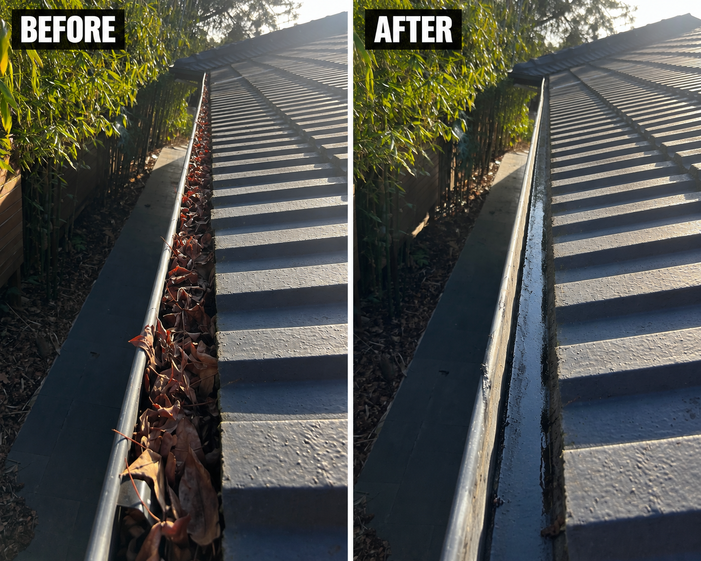
I genuinely think gutters are the most underrated part of a house. Nobody looks at them. Nobody thinks about them until water starts pooling near the foundation.
A few things worth checking twice a year:
- Clogged gutters, especially after monsoon — leaves and debris pile up fast
- Cracked or missing roof tiles, which let water in slowly over months
- Water stains on ceilings, even faint ones (they rarely stay faint for long)
- Sagging gutter sections, which usually mean they’re holding more water weight than they should
Picture a homeowner in a two-story house near Jaipur who ignored a small roof crack for two monsoons straight. By the third year, the water had worked its way into the wooden beams. What would’ve been a ₹5,000 patch job turned into a ₹1,20,000 structural repair. That’s not a rare story — it’s actually pretty common.
Neglecting Plumbing Until There’s a Flood
Plumbing mistakes are sneaky because the pipes are hidden behind walls. You don’t see the problem developing — you just see the sudden result.
Some of the classic home maintenance mistakes in this category:
- Ignoring a slow drip because “it’s just a little water”
- Never checking under-sink pipes for corrosion
- Skipping water heater flushes, which lets sediment build up and shortens the unit’s life significantly
- Not knowing where your main shut-off valve is (this one genuinely surprises people when I ask)
A slow leak under a kitchen sink, left alone for six months, can rot the cabinet base and warp nearby flooring. That’s often a ₹15,000-25,000 fix that started as something you could’ve caught with a five-minute check.
Skipping HVAC Servicing Until It Breaks Down
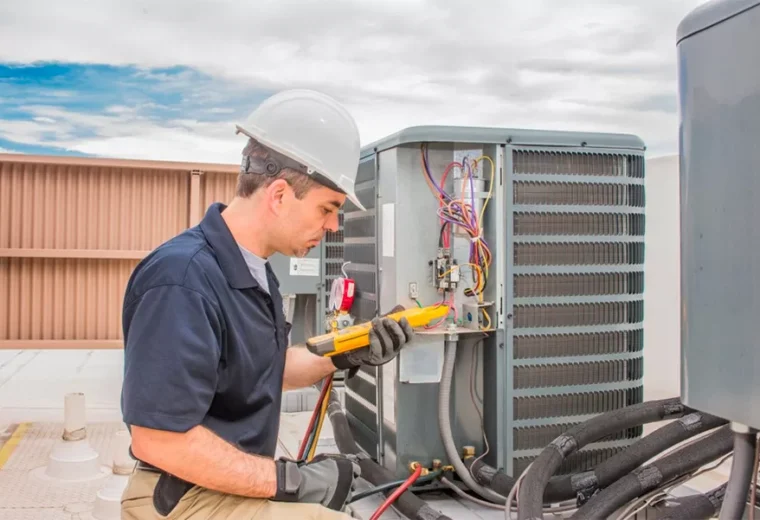
This is one of the most expensive home maintenance mistakes, and also one of the most avoidable. An HVAC system that’s never serviced doesn’t just get less efficient — it fails harder, and usually at the worst possible time.
I’ve noticed people treat their AC units almost like they’re maintenance-free appliances. They’re not. Filters clog, coils get dirty, refrigerant leaks go unnoticed. A compressor replacement alone can run ₹25,000-60,000, and that’s before you factor in the higher electricity bills you’ve been quietly paying the whole time the system was straining.
[link to our full HVAC maintenance guide here]
Ignoring Foundation Cracks and Settling
Direct answer: Hairline foundation cracks under 3mm wide are usually cosmetic, but anything wider, especially if it’s growing, signals structural movement that needs professional assessment — foundation repairs can range from ₹50,000 for minor fixes to over ₹5,00,000 for major underpinning work.
This is the one that scares people the most, and honestly, it should get more attention earlier rather than later. Foundation problems don’t fix themselves. They get worse, slowly, and the fix gets more expensive the longer you wait.
Watch for doors and windows that suddenly stick when they didn’t before. That’s often one of the first signs, and it’s easy to blame on humidity instead of the actual cause.
Overlooking Electrical System Wear
Old wiring doesn’t send you a warning email. It just… sits there, getting more dangerous, until something trips a breaker or, worse, sparks a fire.
A few red flags that get ignored way too often:
- Flickering lights that “have always done that” (they shouldn’t)
- Warm or discolored outlet covers
- Breakers that trip repeatedly for no obvious reason
- Buzzing sounds near switchboards
Rewiring an entire house can cost anywhere from ₹80,000 to ₹2,50,000 depending on size, while catching a single faulty circuit early might cost you a couple thousand rupees. The math isn’t complicated, but the procrastination is real. Has your breaker ever tripped more than once in a week and you just… reset it and moved on? Yeah, that’s the pattern I’m talking about.
Painting Over Problems Instead of Fixing Them
This one’s more common than people admit. A wall gets a water stain, and instead of finding the source, it just gets painted over. Looks fine for a few months. Then it comes back, usually worse.
Fresh paint is not a repair — it’s a hiding trick. If moisture caused the original stain, painting over it traps that moisture in, which can accelerate mold growth behind the wall. I’ve seen this exact mistake lead to full drywall replacement that could’ve been a simple leak fix if someone had just investigated first.
[link to our guide on spotting hidden water damage here]
DIY Repairs That Backfire
There’s a reasonable version of DIY, and there’s the version that costs you double. Sealing a small gap yourself? Fine. Attempting electrical or major plumbing work without experience? That’s where things go sideways.
A few DIY home maintenance mistakes worth mentioning specifically:
- Using the wrong sealant for roof repairs, which can trap moisture instead of blocking it
- Over-tightening pipe fittings, which cracks them rather than sealing them better
- Patching electrical issues with tape instead of calling an electrician
- Skipping permits on structural changes, which can create resale headaches later
My honest take? DIY is great for maintenance. It’s risky for repairs. Know the difference before you pick up a tool.
Building a Preventive Maintenance Habit
The homeowners who avoid these costly surprises usually aren’t doing anything dramatic. They’re just consistent.
| Frequency | What to Check |
| Monthly | Visible leaks, HVAC filters, outlet warmth |
| Quarterly | Gutters, roof edges, water heater |
| Bi-annually | Foundation cracks, electrical panel, plumbing under sinks |
| Annually | Full roof inspection, professional HVAC and electrical checkup |
[link to our seasonal home maintenance checklist here]
None of this needs to be expensive or time-consuming. Twenty minutes every few weeks, walking through your house with a bit of attention, catches most of what would otherwise turn into a five-figure repair.
Frequently Asked Questions
What are the most costly home maintenance mistakes homeowners make? Ignoring roof leaks, delaying HVAC servicing, and skipping plumbing checks top the list. All three start small and get dramatically more expensive the longer they’re left alone.
How much can deferred maintenance actually cost over time? It varies a lot, but industry estimates suggest deferred maintenance can inflate total repair costs by 3-5x compared to catching issues early. A ₹5,000 fix today can easily become a ₹50,000+ fix in two or three years.
How often should I inspect my home for maintenance issues? A monthly quick walkthrough plus a more thorough seasonal check (especially before and after monsoon) covers most of what matters. Annual professional inspections for HVAC, roofing, and electrical are worth the cost.
Are DIY repairs a mistake, or just risky sometimes? Neither, entirely. Basic maintenance is fine to DIY. Structural, electrical, and major plumbing work is where inexperienced attempts often make things worse — that’s when it’s worth calling a professional.
Can painting over water stains actually cause more damage? Yes, and it’s more common than people think. Painting over a stain without fixing the source traps moisture, which can speed up mold growth and hidden structural damage behind the wall.
What’s the single easiest home maintenance mistake to avoid? Ignoring small leaks. They’re the cheapest thing to fix early and the most expensive thing to fix late — and yet they’re the most commonly ignored issue by far.
Conclusion
Most of the expensive home repairs people deal with weren’t really sudden. They were slow, quiet, and ignored for too long. Catching home maintenance mistakes early isn’t about being obsessive — it’s about a short, regular walkthrough and taking small warning signs seriously instead of explaining them away.
If it’s been a while since you actually checked your roof, gutters, or plumbing, that’s your sign. Do it this weekend, before the next monsoon or the next power surge turns a small fix into a very expensive lesson.