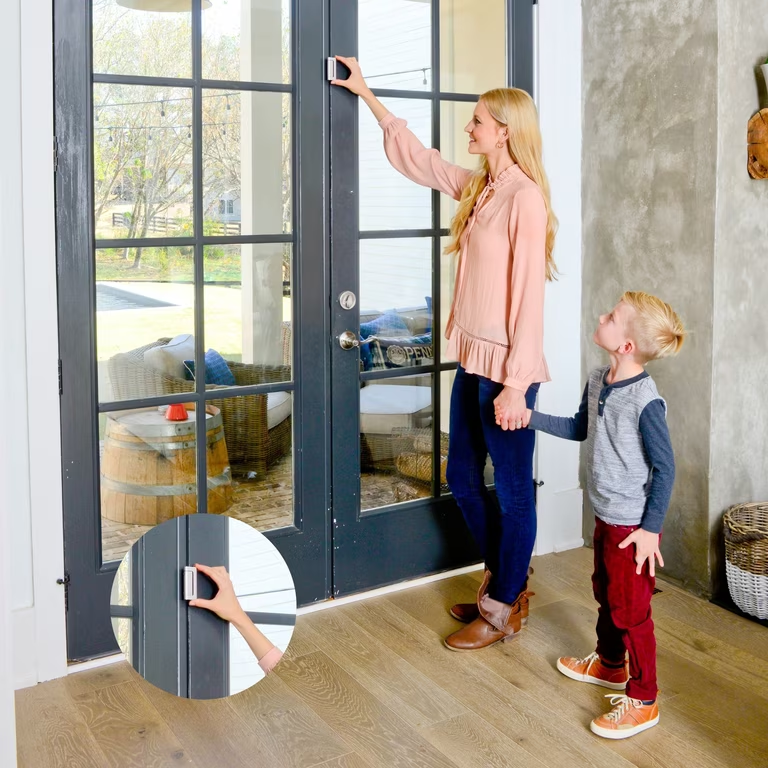
Your toddler just figured out how to open the balcony door. Or maybe they’re pulling themselves up on the TV unit that’s a little too wobbly for comfort. Sound familiar? That moment of “oh no, when did they learn that” is usually when parents start seriously researching childproof home security.
Here’s the thing — babyproofing and home security often get treated as two separate projects. They shouldn’t be. A house that’s safe from intruders but full of sharp corners and unlocked cabinets isn’t actually safe for a growing family. And a house with padded corners but no proper door locks or camera setup isn’t complete either.
This guide walks through both sides together, room by room, with practical fixes you can actually implement this weekend — not vague advice that sounds nice but goes nowhere.
Why Childproofing and Security Go Hand in Hand
Direct answer: Childproof home security means combining physical safety measures (like corner guards and cabinet locks) with security systems (like smart locks and cameras) so your home protects your child from both accidents and outside threats. Treating them separately leaves gaps.
Think about it this way. A smart lock that keeps strangers out does nothing if your three-year-old can turn the regular latch and wander onto the street. Similarly, a home stuffed with outlet covers and corner guards but zero door sensor or camera leaves you blind to who’s coming and going, especially with domestic help, delivery staff, or older kids who let themselves in after school.
I’ve noticed a lot of new parents focus heavily on one side — usually childproofing, since it feels more urgent in the newborn-to-toddler phase — and completely forget the security side until something happens. A misplaced spare key, an unlatched gate, a stranger buzzing the intercom while you’re mid-diaper-change. These things pile up quietly.
The good news? A lot of the fixes overlap. Door and window sensors, for instance, do double duty — they alert you if a toddler opens a door unsupervised, and they alert you if someone’s trying to get in.
Room-by-Room Childproofing Essentials
Let’s get practical. Every room in the house needs a slightly different approach, and skipping one because “the baby doesn’t go there yet” is how accidents happen later.
Living room:
- Anchor the TV unit and any tall bookshelves to the wall — furniture tip-overs are more common than people realize
- Cover sharp table edges with corner guards, especially glass-top coffee tables
- Tuck away loose wires behind furniture, not just for tripping but for chewing risk
Kitchen: This is honestly the riskiest room in most Indian homes, given the gas stove, sharp knives, and low cabinets full of cleaning supplies.
- Install cabinet locks on anything below waist height storing chemicals or glass
- Use back-burner cooking when possible, and turn pot handles inward
- Keep a stove knob cover if your child is tall enough to reach
Bathroom: Non-slip mats matter more than most parents think, especially on Indian bathroom flooring which tends to get slick fast. Also worth doing — a toilet lock, and keeping geysers/heaters out of reach.
Balcony and windows: Honestly, this is where I’d spend the most money if budget’s tight. Grille guards, window locks, and balcony netting aren’t optional extras — they’re the difference between a scary near-miss and a genuine tragedy. A 2023 report by a leading Indian pediatric hospital noted falls from height as one of the top causes of childhood injury requiring emergency care in urban homes.
Smart Locks: The First Layer of Real Security
A smart lock isn’t just a gadget for tech enthusiasts anymore — it’s become a practical piece of childproof home security for a lot of Indian households, especially those with young kids and frequent visitors like maids, tutors, or grandparents.
The appeal is fairly simple. You can grant temporary access codes to house help without handing out physical keys that might get copied or lost. You get a log of who came in and when. And critically, most smart locks include a child-safety mode that prevents the door from being opened from inside without an adult override — genuinely useful once toddlers start reaching door handles.
A few things to check before buying one:
- Battery backup (nobody wants to get locked out during a power cut)
- Manual key override, just in case the electronics fail
- App reliability — check reviews specifically for lag or connectivity drops
- Whether it fits your existing door thickness and lock type (Indian doors vary a lot here, so measure first)
Prices range roughly from ₹8,000 for basic models to ₹25,000+ for premium ones with fingerprint and app integration combined. Not cheap, but for a family with an elderly parent living alone or kids who come home before parents do, it’s a fairly reasonable investment.
Doorbell Cameras and Visitor Screening
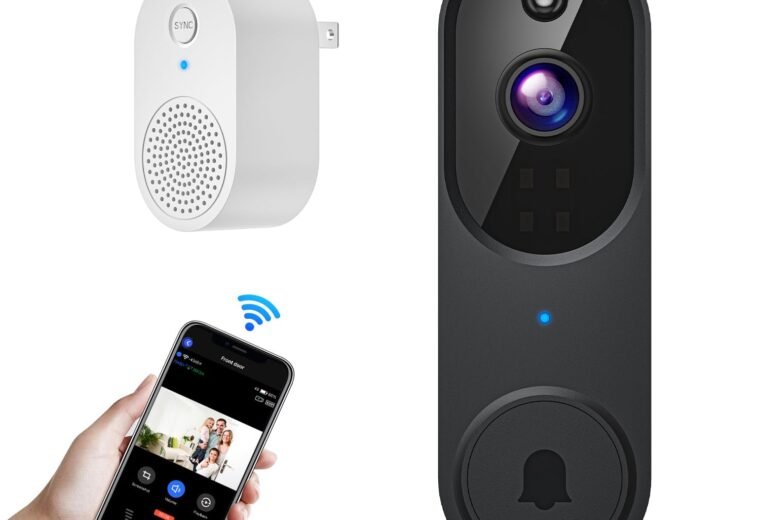
Direct answer: A doorbell camera lets parents see and speak to visitors before opening the door, which matters enormously in homes where kids or domestic help might answer the door alone. It also creates a recorded log of who visits and when.
Picture a working parent in Jaipur whose ten-year-old comes home from school an hour before anyone else gets back. That’s a genuinely common situation in a lot of Indian dual-income households now. A doorbell camera means that kid can check who’s outside without opening the door blind, and a parent can watch live from the office if something feels off.
[link to related guide about smart doorbell cameras here]
Beyond the obvious safety angle, this also helps settle those “did the delivery guy actually leave the package” disputes, and gives some peace of mind when a repair technician or unfamiliar face shows up unannounced.
I’d say this is one of the higher-value purchases on this whole list, honestly. It’s not that expensive relative to what it protects against.
Window and Balcony Security for Curious Kids
This deserves its own section because, frankly, it doesn’t get enough attention in most parenting blogs — they mention babyproofing corners and outlets endlessly, but window safety often gets a single throwaway line.
Kids are drawn to windows. Something about the view, the breeze, whatever it is. Combine that curiosity with a low windowsill or an accessible balcony railing, and you’ve got a real risk.
A few fixes worth prioritizing:
- Window guards or grilles with bars spaced no more than 4 inches apart
- Window locks that limit how far a window opens, even if unlocked accidentally
- Balcony netting, especially for homes above the ground floor
- Moving furniture away from windows so kids can’t climb up to reach them
None of this is expensive relative to the risk it removes. A basic window guard installation for a two-bedroom apartment typically runs somewhere between ₹4,000 and ₹10,000 depending on the number of windows and material used.
Setting Up a Family-Friendly Security System
Full home security systems have gotten a lot more approachable in the last few years — you don’t need a complicated wired setup with a control panel anymore.
A basic childproof home security system for a family home typically includes:
- Door and window sensors that alert you if something opens unexpectedly
- A smart doorbell camera at the main entrance
- Motion sensors in key areas, especially near balconies or the terrace
- A central app that ties it all together, ideally with a “child mode” that sends alerts for unusual activity like a door opening during nap time
The nice part is most of these systems now work over Wi-Fi and install without drilling holes everywhere or hiring an electrician for a full day. A weekend project, more or less, if you’re reasonably handy.
One thing I’d flag — don’t over-rely on notifications alone. I’ve noticed parents sometimes treat the app alert as a substitute for actually checking in, especially with older kids left home alone for short stretches. Technology helps, but it isn’t a replacement for actual supervision.
Safe Storage for Hazardous Items
Direct answer: Safe storage means keeping medicines, cleaning chemicals, sharp tools, and small objects (like batteries or coins) locked away or placed well above a child’s reach, ideally in a dedicated locked cabinet rather than scattered across the house.
This is such an obvious point that people skip past it, and then it’s the one that actually causes an emergency room visit. Medicine cabinets left unlocked, cleaning supplies under the kitchen sink, sewing kits with loose pins — all common in Indian homes, all genuinely risky.
A few specific things worth doing:
- Store medicines in a high, locked cabinet — not the bedside table drawer
- Keep cleaning chemicals in their original containers, never transferred to old water bottles (a shockingly common and dangerous habit)
- Secure any firearms or sharp tools completely separate from living areas
- Watch for small button batteries specifically — they’re a leading cause of pediatric emergency visits when swallowed, more dangerous than people assume
Set a reminder every few months to walk through the house specifically looking for new hazards, since kids’ reach and curiosity change fast as they grow.
Balancing Security With Everyday Family Life
Here’s something that doesn’t get said enough: an overly locked-down, alarm-everywhere house can actually stress a family out more than it helps.
There’s a balance to strike. You want enough security that you’re not anxious every time the doorbell rings, but not so much that every family member is fumbling with codes and locks just to get to the kitchen at 2 am for a glass of water.
My honest take? Start with the highest-risk areas — main entrance, balconies, medicine storage — and build outward from there. Don’t try to do everything on day one. It gets overwhelming, and overwhelmed parents tend to abandon the project halfway.
[link to related guide on setting up a full smart home security system here]
Frequently Asked Questions
What’s the first thing I should childproof when a baby starts crawling? Start with outlet covers, furniture anchoring, and blocking access to stairs or balconies. Crawling babies move faster than expected, so the goal is removing immediate fall and electrocution risks before anything else.
Are smart locks safe for homes with young children? Yes, most modern smart locks include a child-safety or “privacy mode” that prevents the door from opening from inside without adult confirmation, which actually makes them safer than a standard latch a toddler could figure out.
How much does a full childproof home security setup cost in India? It varies a lot depending on home size, but a reasonable estimate for a 2-3 BHK apartment covering window guards, cabinet locks, a smart lock, and a doorbell camera lands somewhere between ₹25,000 and ₹60,000.
Do I need a professional to install window guards and locks? For window guards involving drilling into walls or window frames, yes, a local fabricator or handyman is worth hiring. Locks and adhesive-mount solutions are usually simple enough for a DIY weekend project.
What age should I stop worrying about childproofing? Most intensive childproofing (outlet covers, cabinet locks) can start relaxing around age 5-6, once a child understands household hazards, though window and balcony safety measures are worth keeping in place much longer.
Can I use the same camera system for both childproofing and security? Absolutely, and honestly this is the smarter approach. A doorbell camera plus indoor motion sensors serve both purposes at once — watching for intruders and keeping an eye on where kids are wandering.
Final Thoughts
Building genuine childproof home security isn’t about buying every gadget on the market. It’s about layering the basics — anchored furniture, locked cabinets, secured windows — with a bit of smart tech that fills the gaps you can’t watch every minute of the day.
Start with the highest-risk spots in your specific home, not a generic checklist copied from somewhere else. Every home’s layout is different, and every kid’s curiosity shows up in different corners.
If you haven’t walked through your house room by room in the last few months, this weekend’s a good time to do it — grab a notepad, get down to your toddler’s eye level, and see what catches your attention. You’ll probably spot something you missed.