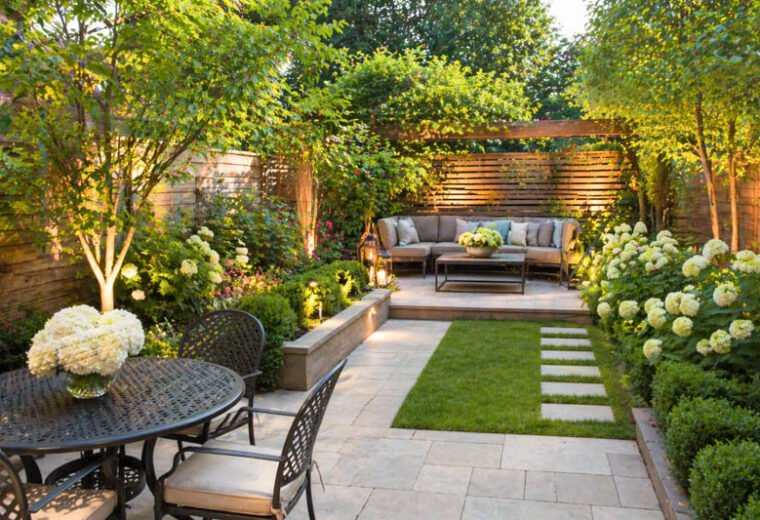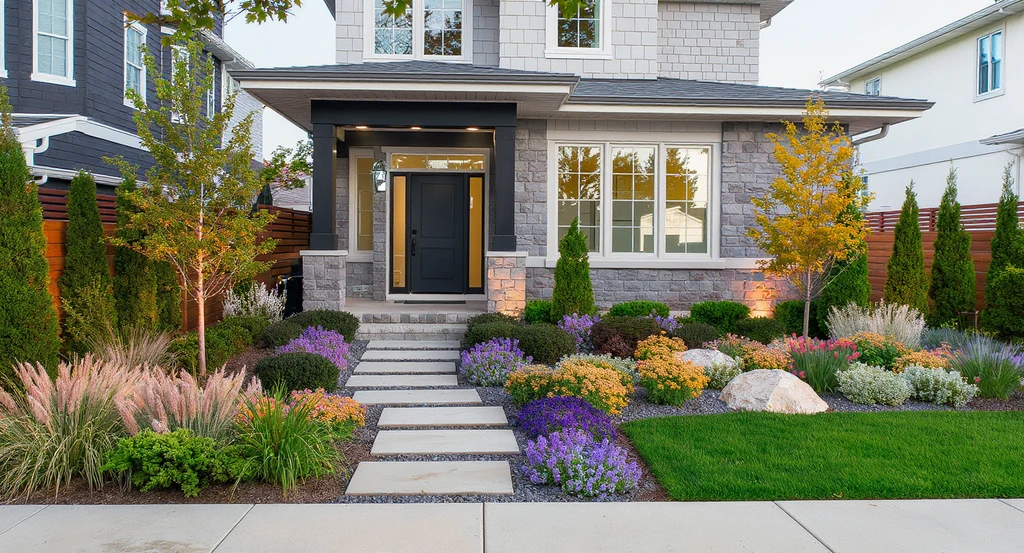
Ever driven past a house and thought, “wow, that place just looks cared for” — without being able to say exactly why? That’s garden landscaping curb appeal doing its job quietly in the background. It’s rarely one big dramatic change. It’s usually five or six small things done right, and most homeowners get this completely wrong by focusing on the front door color instead of the ground beneath it.
I’ve helped a few neighbors rework their front yards over the years, purely out of nosiness at first, and one thing keeps proving true: garden landscaping for curb appeal is less about spending big and more about fixing the things people don’t consciously notice but definitely register. A cracked path. Overgrown edges. Mismatched pots. Let’s get into what actually moves the needle.
Why Curb Appeal Actually Matters (Beyond Just Looks)
Curb appeal isn’t vanity — it genuinely affects property value and first impressions in ways people underestimate. Real estate agents in India routinely say a well-maintained front yard can add 5-7% to a home’s perceived value during resale, and honestly, that tracks with what I’ve seen.
Beyond resale, there’s a simpler reason: it’s the first thing you see every single day. If it looks tired, you feel that low hum of “I should fix that” every time you walk in. If it looks good, coming home just feels a little better. That’s not nothing.
There’s also a neighborhood effect nobody talks about much. One well-landscaped front yard on a street tends to nudge neighbors to tidy up theirs too — I’ve watched this happen on my own street over about two years.
Featured Answer: Does Landscaping Really Increase Curb Appeal?
Yes — landscaping is one of the highest-impact, lowest-cost ways to improve curb appeal. Well-maintained lawns, defined borders, and seasonal color can improve a home’s perceived value by 5-10%, according to most Indian real estate agents, often for less than the cost of exterior repainting.
Start With the Front Path, Not the Plants
Everyone wants to jump straight to flowers. Wrong place to start, honestly. Your front path is the first thing anyone actually walks on, and a cracked, uneven, or weed-choked path undercuts everything else you do in the yard.
Fixing it doesn’t have to mean a full redo:
- Re-grout or replace a handful of broken tiles rather than the whole path — usually cheaper and looks fine if matched well.
- Add a border of brick or stone edging along the path; it’s a small detail that makes the whole thing read as “designed” rather than “happened.”
- Pressure-wash existing stone or concrete — you’d be surprised how much grime buildup dulls a path over a couple of years.
- Line the path with low, uniform plants like dwarf marigolds or portulaca for a clean, guided look without overdoing it.
A clear, well-defined path does something psychological too — it tells a visitor exactly where to walk, which sounds obvious but genuinely reduces that awkward “wait, do I go this way?” moment at someone’s gate.
Layered Planting Beats a Single Row of Bushes
This is probably my biggest disagreement with how most Indian front yards get planted. A single straight row of identical bushes along the boundary wall is the default, and it’s just… flat. Visually boring, I mean.
Layering fixes this. Think of it in three tiers:
- Tall background plants — hedges, small trees, or climbers on a trellis.
- Mid-height shrubs — hibiscus, croton, or flowering bushes that fill the middle visual space.
- Low front plants — marigolds, portulaca, or ground cover that softens the edge nearest the path.
This kind of layered garden landscaping creates actual depth instead of a flat green wall. Picture two identical houses on the same street in Jaipur — one with a single hedge row, one with three-tier layered planting. The second one will look twice as considered, even if the total plant count and cost were roughly the same. That’s the layering effect at work, not extra spending.
[link to related guide about best plants for small backyard gardens here]
Lighting Changes Everything After Sunset
Nobody thinks about this until they see it done well somewhere else. Good exterior lighting can make an average front yard look genuinely impressive after dark — arguably more than daytime landscaping does.
A few approaches that work without an electrician’s budget:
- Solar path lights along the walkway — cheap now, widely available, and zero wiring hassle.
- Uplighting on one or two feature plants or a small tree; this single trick alone can transform a yard’s evening look.
- Warm-toned bulbs over cool white ones — warm light photographs and feels far more inviting near a home entrance.
I’ll admit I underestimated this for years. Spent money on plants and pots and completely ignored lighting, and the yard basically disappeared after 7 PM. Fixed it with maybe ₹3,000 worth of solar lights, and it made a bigger visible difference than the last two seasons of plant purchases combined.
Container Gardens Add Instant Polish
Not every part of curb appeal needs to be planted in the ground. Containers do a lot of heavy lifting, especially near entrances, and they’re honestly the fastest fix on this whole list.
Garden landscaping with containers works because pots draw the eye exactly where you want it — usually the front door or gate.
Some quick wins:
- A matched pair of large pots flanking the entrance instantly reads as “designed,” even with simple plants inside.
- Seasonal rotation — swap flowering annuals every 2-3 months so the entrance never looks static or tired.
- Vary pot heights slightly rather than lining up identical ones; it avoids that stiff, showroom look.
- Terracotta ages better visually than plastic and fits Indian architectural styles more naturally, in my opinion — though plastic is obviously lighter and cheaper if budget’s tight.
Has this ever happened to you — you move house and the first thing that makes it feel like “yours” is putting two decent pots by the front door? That’s basically the whole trick, scaled up.
Lawn Care Basics That Actually Move the Needle
A patchy, yellowing lawn undoes a lot of good work elsewhere, and this is the part people neglect most because it feels boring compared to buying new plants.
Basic maintenance that genuinely matters:
- Mow regularly and at a consistent height — inconsistent mowing height is more visually jarring than people realize.
- Edge the lawn borders cleanly against paths and beds; sharp edges make even an average lawn look intentional.
- Water early morning rather than midday, especially through Indian summers, to reduce evaporation loss and fungal issues.
- Reseed bare patches in early monsoon rather than waiting till they spread further.
I used to think lawn care was the least interesting part of yard work, and I still kind of do — but it’s the part that quietly ruins everything else if it’s ignored. Weird how that works.
[link to related guide about lawn care for Indian climates here]
Boundary Walls and Fences Deserve Attention Too
A tired, stained boundary wall drags down even a well-planted front yard, and most people just don’t clock it as a landscaping element at all.
- A fresh coat of paint or limewash on the boundary wall resets the whole yard’s visual tone for surprisingly little cost.
- Climbing plants like money plant or bougainvillea soften a plain wall and add color without much upkeep.
- Repair or replace a rusted or broken gate — it’s often the very first thing a visitor’s hand touches.
Garden landscaping curb appeal projects that skip the wall or fence usually look unfinished, even when the plants themselves are gorgeous. The wall is the frame; don’t forget the frame.
Seasonal Color Rotation Keeps the Yard From Looking Static
A yard that looks the same in March as it does in October starts to feel neglected, even if nothing’s actually wrong with it. Rotating seasonal color fixes that instantly.
- Winter: marigolds, petunias, pansies — reliable bloomers through India’s cooler months.
- Summer: portulaca, zinnias, vinca — heat-tolerant and low-fuss through peak heat.
- Monsoon: caladiums and foliage plants that actually enjoy the humidity rather than rotting in it.
This kind of rotation keeps garden landscaping feeling alive year-round instead of static, and it costs relatively little since annuals are cheap at most local nurseries.
FAQ: Common Questions About Garden Landscaping and Curb Appeal
How much does garden landscaping typically cost in India? A basic front yard refresh — path repair, a few plants, some containers — can run anywhere from ₹8,000 to ₹25,000 depending on plant choices and materials. Full redesigns with hardscaping obviously cost more.
What’s the fastest way to improve curb appeal on a tight budget? Containers and lighting, hands down. Both give a visible transformation within a day or two, unlike plants that need weeks or months to fill in and mature.
Do I need a professional landscaper for a small front yard? Not necessarily. Small yards are genuinely manageable as a weekend DIY project if you plan the layout first — layering, path, and lighting matter more than expert execution.
What plants give the best curb appeal with the least maintenance? Marigolds, portulaca, and dwarf hibiscus consistently deliver color without demanding constant attention, which makes them reliable picks for busy homeowners.
How often should I update my front yard landscaping? Rotate seasonal flowers every 2-3 months, but structural elements like hedges, paths, and lighting can stay as-is for years with basic upkeep.
Does curb appeal really affect resale value? Yes, most Indian real estate agents estimate a well-landscaped front yard can add 5-7% to perceived resale value, and it often speeds up buyer interest too.
Final Thoughts
Good garden landscaping for curb appeal isn’t really about a single big renovation. It’s the path, the layering, the lighting, the lawn edges — small decisions stacked together that add up to a yard that looks cared for rather than just planted.
Start with whichever fix feels most obviously broken in your own front yard right now. If it’s the path, fix the path first. If it’s a patchy lawn, sort that before buying more pots. One honest fix this month beats five half-finished ones spread across a year.