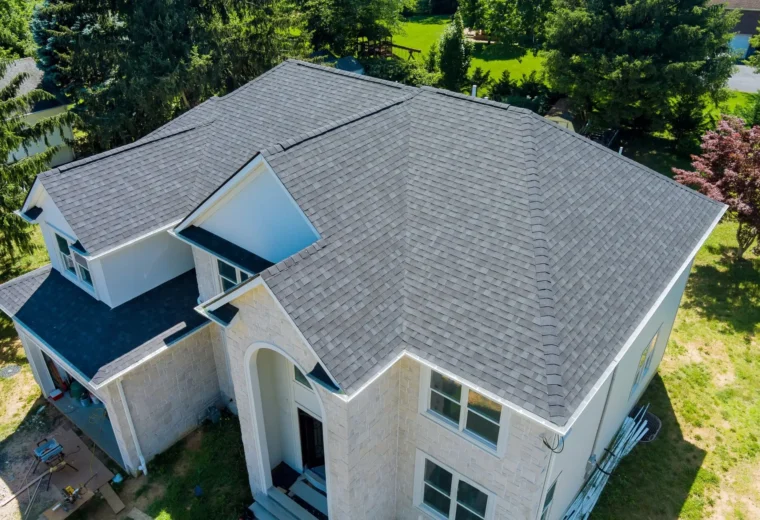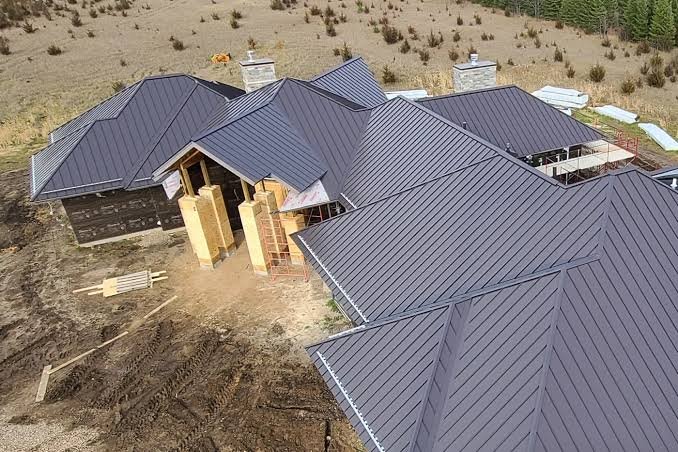
So your roof’s on its last legs and you’re stuck staring at two very different options. Metal roofing vs asphalt shingles — it’s one of those decisions that sounds simple until you actually start pricing things out and realize everyone online seems to have a strong, slightly biased opinion. I get it. I’ve sat through this decision with more than a few homeowners, and honestly, there’s no single “right” answer. It depends on your budget, your climate, and how long you plan to stay in the house.
This guide breaks down the real differences — not the marketing brochure version — so you can pick what actually makes sense for your situation, whether that’s a bungalow in the hills or a flat-roofed home in a hot, dusty city.
What’s the Real Difference Between Metal Roofing and Asphalt Shingles?
Metal roofing is exactly what it sounds like — panels or shingles made from steel, aluminum, zinc, or copper, installed in interlocking sheets or tiles. Asphalt shingles are flat, overlapping tiles made from a fiberglass base coated in asphalt and mineral granules. One’s a solid metal skin for your roof; the other is layered, granular, and replaceable in smaller sections.
That’s the technical answer. But the practical difference shows up over the next 20-40 years, in your electricity bills, your repair calls, and honestly, in how many times you have to think about your roof at all. Asphalt is the roof you install and mostly forget about until it needs replacing. Metal is the roof you pay more for upfront and then barely think about for decades.
A Quick Origin Story
Asphalt shingles took off in North America almost a century ago because they were cheap and easy to mass-produce. Metal roofing, on the other hand, has been around even longer — think old European churches and barns — but it’s only in the last 15-20 years that it’s become genuinely mainstream for regular homes, thanks to better coatings and lighter panel systems.
Cost Comparison: What You’ll Actually Pay in 2026
Metal roofing costs more upfront than asphalt shingles — usually 2 to 3 times more per square foot — but it can last two to three times longer, which changes the math over a 30-year window.
Let’s talk real numbers, because vague price ranges never help anyone.
- Asphalt shingles: Roughly ₹150-₹280 per square foot installed, depending on the shingle grade (3-tab vs architectural) and your city’s labor rates.
- Metal roofing: Typically ₹350-₹700 per square foot, with standing seam and copper on the higher end, corrugated galvanized steel on the lower end.
- Labor: Metal roofing installation needs more specialized crews, so labor alone can run 20-40% higher than a standard shingle job.
Here’s the thing nobody tells you upfront — asphalt might win on day one, but if you’re planning to stay in your home for 20+ years, metal often wins on total cost of ownership. You’re not paying for a second (or third) roof replacement.
I’ve noticed a lot of homeowners fixate on the sticker price and completely ignore the “cost per year of service,” which is honestly the number that matters more.
Lifespan: How Long Does Each Roofing Type Actually Last?
A quality asphalt shingle roof lasts 15-25 years. A properly installed metal roof can last 40-70 years, sometimes longer with minimal maintenance — that’s the single biggest gap between the two materials.
Asphalt shingles degrade under UV exposure, temperature swings, and moisture. In hot climates — and plenty of Indian cities qualify — you might be looking at the lower end of that range, closer to 15 years rather than 25.
Metal, by contrast, doesn’t crack, curl, or lose granules. Its enemies are different: scratches to the protective coating, rust in coastal or high-humidity areas (unless you go with aluminum or a good galvalume coating), and denting from large hail.
A Real-World Example
Picture a small business owner in Jaipur running a warehouse with a corrugated asphalt roof. Every monsoon, she’s patching leaks and replacing curled shingles. A neighboring unit switched to galvanized metal sheeting five years back. Guess who’s not calling a roofer every June?
Durability and Weather Resistance
Metal roofing shrugs off wind, fire, and heavy rain far better than asphalt shingles, which can lift in high winds and absorb moisture over time, leading to mold or rot in the underlying deck.
Quick rundown of how each holds up:
- Wind: Metal panels are rated for gusts up to 140+ mph when properly installed; asphalt shingles start lifting around 60-80 mph unless they’re a premium architectural grade.
- Fire: Metal is naturally Class A fire-resistant. Asphalt shingles can also achieve Class A rating, but only with the fiberglass mat versions — older organic mat shingles burn much easier.
- Hail: This one actually favors asphalt slightly, or at least it’s a toss-up. Metal can dent visibly (cosmetic, not usually structural), while asphalt shingles can crack or lose granules.
- Rain and monsoon conditions: Metal’s seamless panel design sheds water fast. Asphalt works fine too, but seams and edges are more vulnerable over time.
Does hail matter more to you than 40 years of monsoons? That’s worth thinking through before you commit either way.
Energy Efficiency and Heat Reflection
Here’s where metal roofing genuinely pulls ahead for hot climates. Reflective metal coatings can reduce cooling costs by 10-25%, since they bounce back solar heat instead of absorbing it like dark asphalt shingles do.
If you’ve ever touched a black asphalt roof at 3 PM in May, you know exactly what I’m talking about. It’s basically a frying pan. Metal roofs, especially ones with a reflective or light-colored coating, stay noticeably cooler.
For anyone running AC most of the year — which, let’s be honest, is most of us in a lot of Indian cities now — this isn’t a minor detail. It shows up directly on your electricity bill.
Asphalt manufacturers have caught up somewhat with “cool roof” shingle lines that use reflective granules, so it’s not like asphalt has zero options here. But standard dark asphalt is still the weaker performer on heat.
Noise, Maintenance, and Everyday Living
This is the one people forget to ask about until it’s too late: what does it sound like when it rains?
Metal roofs do get a reputation for being loud in rain, but with proper insulation and a solid deck underneath, the difference is smaller than people expect — often barely noticeable indoors.
Old myths about “living under a drum” mostly come from uninsulated barn-style metal roofs with no attic space. A residential metal roof, installed correctly over plywood decking with insulation, sounds pretty similar to asphalt during rain. Not silent, but not dramatic either.
On maintenance:
- Asphalt needs periodic inspection for curling, cracking, and moss growth, plus occasional shingle replacement after storms.
- Metal needs far less — mostly checking fasteners and coating condition every few years, and repainting or recoating every couple decades if needed.
Honestly, if low-maintenance living is your priority, metal wins this round pretty clearly.
Environmental Impact and Sustainability
Metal roofing is more sustainable long-term — it’s often made from 25-95% recycled content and is itself 100% recyclable at end of life, unlike asphalt shingles, which mostly end up in landfills.
Roughly 11 million tons of asphalt shingle waste get dumped into landfills every year in the US alone, and that number keeps climbing as more roofs age out. There’s some recycling infrastructure for old shingles now (they get reused in road paving, mostly), but it’s not widespread everywhere yet.
Metal doesn’t have that problem. Even at the end of its long life, it gets melted down and reused. If sustainability genuinely factors into your decision — not just as a buzzword, but as something you care about — metal is the clearer choice.
Aesthetics and Resale Value
Asphalt shingles come in more color and texture variety and blend in with traditional neighborhood styles, while metal roofing offers a sleeker, more modern look that’s increasingly popular but not universally loved by every buyer.
This one’s genuinely subjective, and I won’t pretend otherwise. Some people love the clean lines of standing seam metal. Others think it looks too commercial or industrial for a residential street. Asphalt, meanwhile, is the safe, expected choice — it looks like what a roof is “supposed” to look like in most neighborhoods.
On resale: studies from Western housing markets suggest metal roofs can recoup 60-70% of installation cost in home value, sometimes more if buyers specifically value durability and lower future maintenance. In markets where metal roofing is still less common, it can also be a point of curiosity or even hesitation for some buyers — worth checking what’s typical in your specific area before assuming it’s a slam-dunk upgrade.
[link to related guide on home renovation ROI here]
Installation Time and Process
A standard asphalt shingle roof typically takes 1-3 days to install on an average home, while metal roofing installation can take 3-7 days due to more precise measurements, panel cutting, and sealing work.
If you’re mid-renovation and need things wrapped up fast, that timeline difference matters. Asphalt crews are also far more common — pretty much every roofing contractor works with shingles. Metal roofing installers with real standing-seam experience are a smaller pool, and in some regions you might have to wait longer just to get on their schedule.
[link to guide on choosing a roofing contractor here]
One thing worth checking: not every roofer who says they “do metal” actually has proper training on seam sealing and thermal expansion allowances. A poorly installed metal roof can leak worse than a poorly installed asphalt one — ask for references specifically for metal work.
Which One Should You Actually Choose?
There’s no universal winner here, and I’d be lying if I told you otherwise.
- Go with asphalt shingles if: you’re on a tighter budget, plan to sell within 10-15 years, want more color/style options, or need a fast installation.
- Go with metal roofing if: you’re staying long-term, live somewhere hot or storm-prone, want lower lifetime maintenance, or care about the environmental angle.
[link to roofing cost calculator or estimator tool here]
If your budget genuinely can’t stretch to metal right now, a good architectural asphalt shingle with a solid warranty isn’t a bad fallback — just go in knowing you’re likely doing this again in 20 years.
FAQs
Is metal roofing really worth the extra cost over asphalt shingles? For most homeowners staying put long-term, yes — the lifespan alone (40+ years vs 15-25) usually offsets the higher upfront price. If you’re moving in under a decade, the math gets murkier.
Does a metal roof really make your house louder in the rain? Not if it’s installed properly over solid decking with insulation. The “loud tin roof” reputation mostly comes from old barn-style installs without any sound buffering underneath.
Can you install metal roofing directly over existing asphalt shingles? In many cases yes, which can actually save on tear-off costs — but it depends on your local building codes and the condition of the existing roof deck. A contractor needs to check this before you assume it’s an option.
Which lasts longer in extreme heat, metal or asphalt? Metal generally handles extreme heat better — it doesn’t soften, curl, or lose granules the way asphalt shingles can under prolonged sun exposure, especially in hotter regions.
Do metal roofs attract lightning more than asphalt roofs? No, this is a persistent myth. Metal doesn’t attract lightning any more than other roofing materials — and if lightning does strike, metal’s non-combustible nature actually makes it safer than asphalt.
How do insurance costs compare between the two? Some insurers offer discounts for metal roofs due to their fire resistance and wind durability, though this varies a lot by provider and region — it’s worth calling your insurer directly and asking before you assume either way.
Conclusion
At the end of the day, this decision comes down to your timeline, your budget, and how much you value not thinking about your roof for the next few decades. Asphalt shingles remain the practical, budget-friendly choice for a lot of homes, especially if you’re not planning to stay put forever. Metal roofing asks for more money now but pays it back in durability, lower maintenance, and better heat performance over the years.
Before you decide, get quotes from at least two or three local contractors for both materials — actual pricing varies more by region and installer than most online guides account for. Compare the real numbers for your specific roof, not just the averages, and factor in how long you actually plan to live under it.