Water is one of those everyday essentials that rarely gets much attention until something feels different. Maybe your tea tastes slightly off, the kettle develops a chalky coating, or you notice that the water from the kitchen tap has an unfamiliar smell. It’s easy to assume a new filter will solve the problem, but water quality isn’t always that straightforward.
Every home has its own circumstances. The source of the water, local geology, plumbing materials, and existing treatment equipment can all influence what comes out of the tap. Understanding those factors makes it easier to choose a practical solution instead of spending money on a product that doesn’t address the real issue.
Start by Getting to Know Your Water
Before comparing filtration systems, take a closer look at the water you’re using. Does it leave white deposits on faucets? Are there reddish stains in the bathroom? Does the taste change after water has been sitting in the pipes? These observations can help identify what deserves further investigation, although they cannot provide a complete picture of water quality.
Water from a municipal supply is generally treated and monitored, but its mineral content and taste can still vary. Household plumbing can also affect the water as it reaches individual taps. Private wells present different considerations because groundwater conditions may change with rainfall, nearby land use, and other environmental factors.
A water test is often the most useful starting point. Depending on the source and the concerns involved, testing may examine hardness, pH, iron, dissolved solids, bacteria, or specific contaminants. A simple hardness test, for example, can help explain mineral buildup, but it doesn’t establish whether water is free from bacteria or unwanted chemicals.
Why Water Testing Matters Before Buying Equipment
It’s tempting to choose a system based on a neighbour’s recommendation or an advertisement promising cleaner, fresher water. Sometimes the product may be suitable. Other times, it addresses a problem your home doesn’t actually have.
Reliable water testing & analysis helps replace assumptions with measurable information. If you’re using a private well, testing should reflect local conditions and the risks associated with your water source. Depending on the circumstances, this may include checking for bacteria, nitrates, iron, manganese, or other substances.
For municipal water users, the local supplier’s water-quality report can provide useful background. However, that report may not identify issues that develop inside an individual home’s plumbing. If you notice a sudden change in colour, taste, or smell, further investigation may be appropriate.
Choose testing based on the question you need answered. For health-related concerns, an appropriate laboratory test may be necessary. Ask what the test measures, how the sample should be collected, and how the results will be explained. A basic in-home demonstration can be informative, but it shouldn’t be treated as proof that water is either completely safe or dangerous.
Once you have the results, selecting equipment becomes much more straightforward.
Understanding Alkaline Drinking Water Systems
Some homeowners are interested in water that has a higher pH or a particular taste. This has helped create interest in alkaline drinking water systems, which are designed to raise the pH of water or provide water with other specified characteristics, depending on the technology used.
These systems vary considerably. Some use mineral cartridges to change water chemistry, while others combine alkaline features with conventional filtration. Before purchasing one, check how the system works, which substances it is designed to reduce, and whether its performance claims are independently verified.
It’s also important to keep expectations realistic. Alkaline water is sometimes promoted with broad health claims, but there is limited evidence that drinking it provides special health benefits for most healthy people beyond ordinary safe hydration. A higher pH doesn’t automatically mean water is safer or more suitable for every household.
If your main concern is chlorine taste, sediment, or a specific contaminant, a conventional filter certified for that purpose may be more relevant. If you simply prefer the taste of alkaline water, consider that preference separately from any health-related claims. Understanding the distinction helps you make a decision based on your actual needs.
What If Your Home Uses Well Water?
Private wells can supply excellent water, but their quality depends on the surrounding environment and the condition of the well itself. Unlike municipal supplies, private wells generally aren’t covered by the same routine public monitoring, so homeowners need to take responsibility for appropriate testing and maintenance.
With well water, some concerns are visible, such as sediment, orange staining from iron, or mineral deposits associated with hardness. Others, including certain bacteria or dissolved contaminants, may not change the water’s appearance at all. That’s why clear water shouldn’t be assumed to be safe without suitable testing.
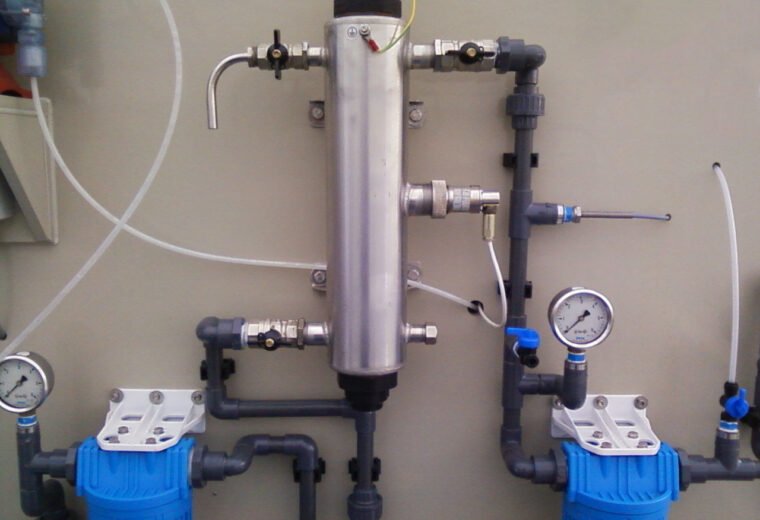
The right treatment depends on the results. Sediment filters can capture suspended particles, while specialised systems may address iron or manganese. Water softeners can reduce hardness minerals, and properly selected ultraviolet systems may help inactivate certain microorganisms. These technologies serve different purposes, so one should not be expected to replace another.
Well owners should also inspect the well cap and surrounding area, keep potential contamination sources away from the well, and follow local recommendations for testing frequency. After flooding, repairs, or a noticeable change in water quality, additional testing may be sensible.
If a test identifies a health-related concern, follow the advice of your local health authority or water professional. Don’t rely on a general-purpose filter to address a contaminant unless the equipment has demonstrated performance for that specific purpose.
Choose a System That Fits Your Daily Routine
Water treatment isn’t just about technical specifications. The system also needs to fit comfortably into everyday life. A household that mainly wants better-tasting drinking water may benefit from an under-sink filter, while a property dealing with scale throughout its plumbing may need a different approach.
Think about the available space, household water demand, flow rate, and installation requirements. Some systems need drainage or electricity; others require only a suitable connection beneath the sink. Ask about the replacement parts and how frequently they need changing before committing.
Long-term costs deserve attention, too. Filter cartridges, membranes, salt, electricity, and professional servicing can all add to the initial purchase price. A less expensive system may not be the most practical choice if replacement parts are difficult to find or maintenance is unnecessarily complicated.
A reputable provider should explain what the equipment can and cannot do. Be cautious of anyone promising that one device removes every unwanted substance or suggesting that a single basic test proves your water is unsafe.
Keep Water Quality on Your Household Checklist
After installing a treatment system, follow the manufacturer’s maintenance schedule. Filters have a limited service life, and neglected equipment may gradually lose effectiveness. Keep a simple record of filter changes, service visits, and water-test results so you can track how the system performs over time.
If the water’s taste, smell, colour, or pressure changes unexpectedly, investigate the cause rather than assuming the equipment needs replacing. Sometimes the water source or plumbing conditions have changed, and further testing may be the most useful next step.
Better drinking water begins with good information, not guesswork. Understand your water source, test for the concerns that matter, and compare systems based on verified performance. The most suitable solution isn’t necessarily the most expensive or complicated one. It’s the one that addresses your household’s needs, fits your routine, and can be maintained properly for years to come.