Most of us turn on a tap without giving much thought to what comes out. We fill a kettle, rinse fresh vegetables, take a shower, and carry on with the day. But when water develops an unusual smell, leaves stubborn deposits on fixtures, or raises questions about safety, it quickly becomes something we pay attention to.
The good news is that modern water treatment offers more options than ever. From disinfection technologies to mineral control and targeted filtration, homeowners can choose solutions designed around their actual water quality concerns. The trick is understanding what each system does, where it works best, and when a particular technology may not be necessary.
Why One Water Treatment System Doesn’t Fit Every Home
Water quality varies considerably from one property to another. Homes connected to municipal supplies may experience different concerns from properties relying on private wells. Even neighboring houses can have different plumbing conditions that affect the water reaching their taps.
Some issues are relatively easy to recognize. Hard water can leave chalky marks on faucets and shower screens, while sediment may make water look cloudy. An unpleasant taste or odor can also encourage homeowners to investigate further.
Other concerns aren’t so obvious. Certain microorganisms and dissolved contaminants cannot be reliably identified by appearance, smell, or taste alone. That’s why water testing should come before choosing equipment, particularly when safety is the concern.
Once the results are available, it’s easier to identify the right approach. A household dealing with mineral scale might need conditioning or softening, while another may require targeted filtration or disinfection. Buying equipment without understanding the problem can lead to unnecessary expense and disappointing results.
Understanding UV and Ozone Disinfection
Microbiological water quality deserves special attention, especially in homes using private wells or water sources that may be vulnerable to contamination. Two technologies commonly discussed for this purpose are ultraviolet light and ozone treatment.
UV / ozone disinfection describes two distinct methods, each with its own strengths and limitations.
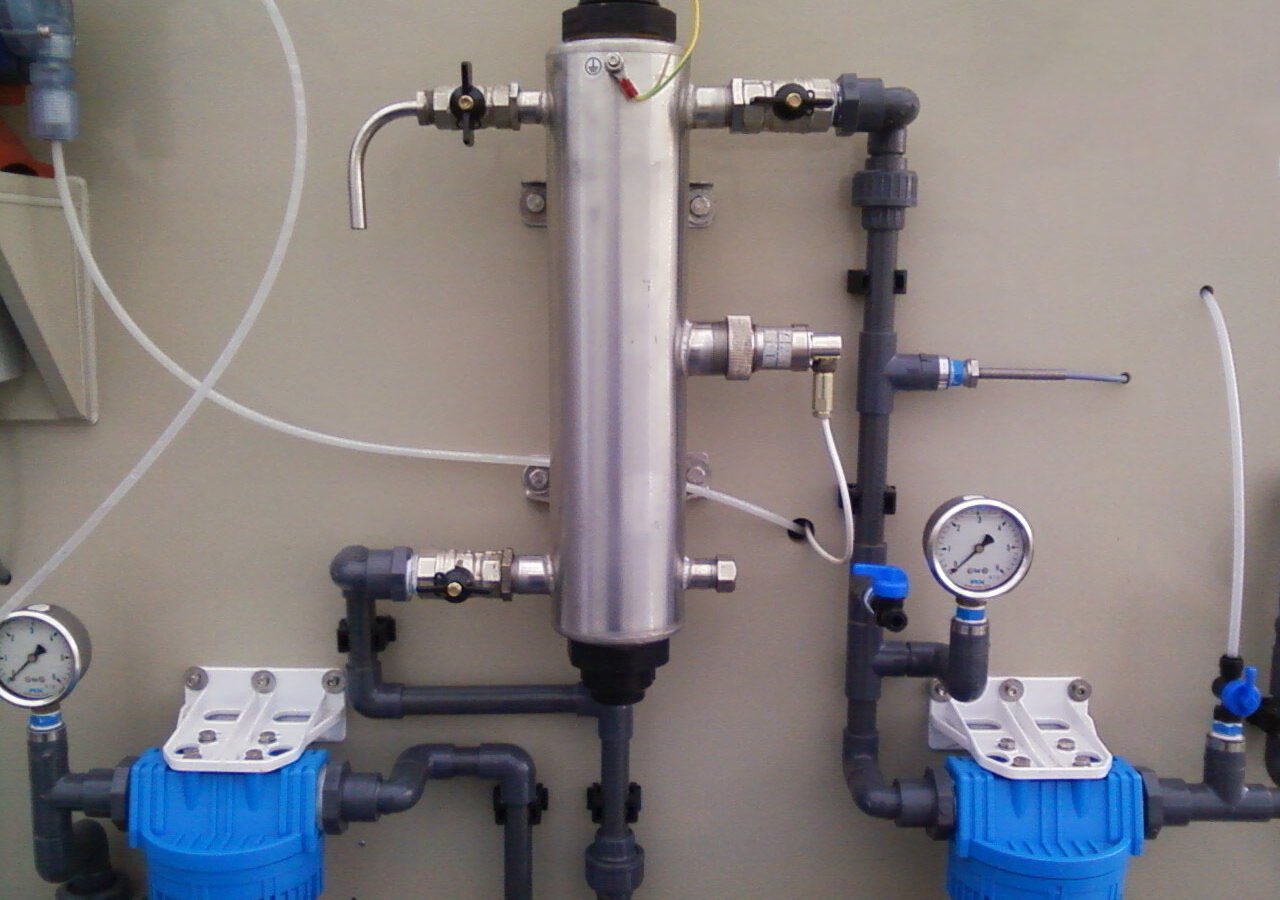
Ultraviolet disinfection uses specific wavelengths of UV light to inactivate susceptible microorganisms by damaging their genetic material. When properly sized and maintained, a UV system can help control bacteria, viruses, and certain other microorganisms. It doesn’t add chemicals to the water, and it generally doesn’t change the water’s taste.
However, UV treatment works best when water is sufficiently clear. Suspended particles can shield microorganisms from the light, reducing treatment effectiveness. Pretreatment may therefore be necessary, and the lamp, sleeve, and associated components need regular inspection.
Ozone treatment works differently. It introduces ozone gas into water, where its strong oxidizing action can inactivate many microorganisms and help address certain taste, odor, and oxidation-related concerns. Its effectiveness depends on factors such as contact time, water chemistry, and system design.
Ozone also requires careful handling because concentrated ozone gas can be hazardous to breathe. Some applications need additional treatment to manage residual by-products or ensure the finished water meets the intended quality requirements.
Neither technology removes every dissolved chemical or mineral. Disinfection and filtration serve different purposes, so the best setup depends on the contaminants identified through testing.
Salt-Free Water Conditioning and the Hard Water Question
Hard water can be a nuisance in ways that gradually wear you down. Soap scum collects around the bathtub, showerheads become clogged with deposits, and glasses come out of the dishwasher looking less than sparkling. It may not be a health concern in most households, but it can affect comfort and maintenance.
Traditional water softeners generally use ion exchange to remove hardness minerals such as calcium and magnesium. Salt-free conditioning systems take a different approach.
Salt-free water conditioning typically refers to technologies designed to change how hardness minerals behave, helping reduce their tendency to form stubborn scale on plumbing and heating equipment. Some systems use template-assisted crystallization or other physical or chemical processes.
An important distinction is that salt-free conditioners generally do not remove calcium and magnesium from the water. Instead, depending on the technology and operating conditions, they may help limit scale formation.
That means the results can differ from those of a conventional softener. If your main goal is to eliminate hardness minerals or achieve the familiar feel of softened water, a salt-free conditioner may not deliver the same outcome.
On the other hand, homeowners who want to reduce scale without using salt for ion-exchange regeneration may find these systems worth considering. They may also appeal to households seeking to avoid the additional water used during regeneration by many conventional softeners.
Before making a decision, ask for evidence that the proposed system performs effectively under conditions similar to your own water supply. Local water chemistry matters, and no single conditioning method is ideal for every property.
Specialty Filters for Specific Water Quality Concerns
Sometimes, a standard filter isn’t enough. Water may contain a particular substance that requires a more targeted treatment method, or a homeowner may want to address a clearly identified issue without installing a complicated whole-house system.
This is where specialty filters can be useful. These products are designed for particular water quality challenges rather than attempting to address every possible contaminant at once.
For example, activated carbon filters can reduce chlorine taste and odor, while certain specialized media can help reduce specific metals or other substances. Filters containing suitable ion-exchange materials may be designed to address particular dissolved contaminants, and other systems target compounds that ordinary sediment filters cannot capture.
The details matter, though. A filter marketed for general water improvement may not be effective against a contaminant identified in a laboratory report. Always check the manufacturer’s performance data and any relevant independent certification.
Look for certifications appropriate to the intended use, such as standards developed by NSF or other recognized organizations. The exact standard matters because different certifications cover different contaminants, performance claims, and system requirements.
It’s also important to consider where the filter will be installed. A point-of-use filter treats water at an individual tap, while a point-of-entry system treats water entering the property. Neither arrangement is automatically better; the right choice depends on the issue and where treatment is needed.
Combining Technologies Without Overcomplicating Things
In some homes, a combination of treatment methods makes more sense than relying on one piece of equipment. For example, sediment filtration may help protect a UV disinfection unit, while a separate carbon filter may improve drinking water taste.
A private well with confirmed microbial contamination could require disinfection alongside measures that address turbidity or other identified concerns. A home with hard water and an unpleasant chlorine taste might benefit from conditioning and targeted carbon filtration.
The sequence of treatment can be important. Equipment manufacturers often specify water quality requirements for their systems, including limits for sediment, hardness, iron, or other substances. Ignoring those requirements may shorten equipment life or reduce performance.
Still, more equipment doesn’t automatically mean better water. Every additional system brings installation costs, maintenance tasks, and replacement components. Start with the test results, then add only the treatment stages that serve a clear purpose.
Maintenance Is Part of Water Quality
Even a well-designed system needs attention after installation. UV lamps have service-life limits, filters gradually become exhausted, and conditioning equipment may require cleaning or periodic servicing.
Follow the manufacturer’s maintenance instructions rather than waiting for an obvious problem. A filter can lose effectiveness without producing a noticeable change in taste or appearance.
Keep records of filter changes, service visits, and water test results. If you’re using a private well, follow relevant local health authority recommendations for routine testing and additional testing after flooding, repairs, or other events that could affect the water supply.
If results indicate a health-related contamination issue, seek appropriate public health guidance instead of assuming that a newly installed treatment system has made the water safe.
Choosing a Solution That Makes Sense
Water treatment doesn’t have to be complicated, but it does benefit from a little patience. Understand your water, identify the problem, and compare systems according to what they can actually accomplish.
UV and ozone technologies can support disinfection when correctly designed. Salt-free conditioners may help manage scale under suitable conditions, while specialty filters can target specific contaminants that general-purpose equipment may miss.
The best investment is the one that meets your household’s needs without creating unnecessary expense or maintenance. With reliable testing, realistic expectations, and proper servicing, you can make a more informed decision and build a water treatment setup that works for everyday life.