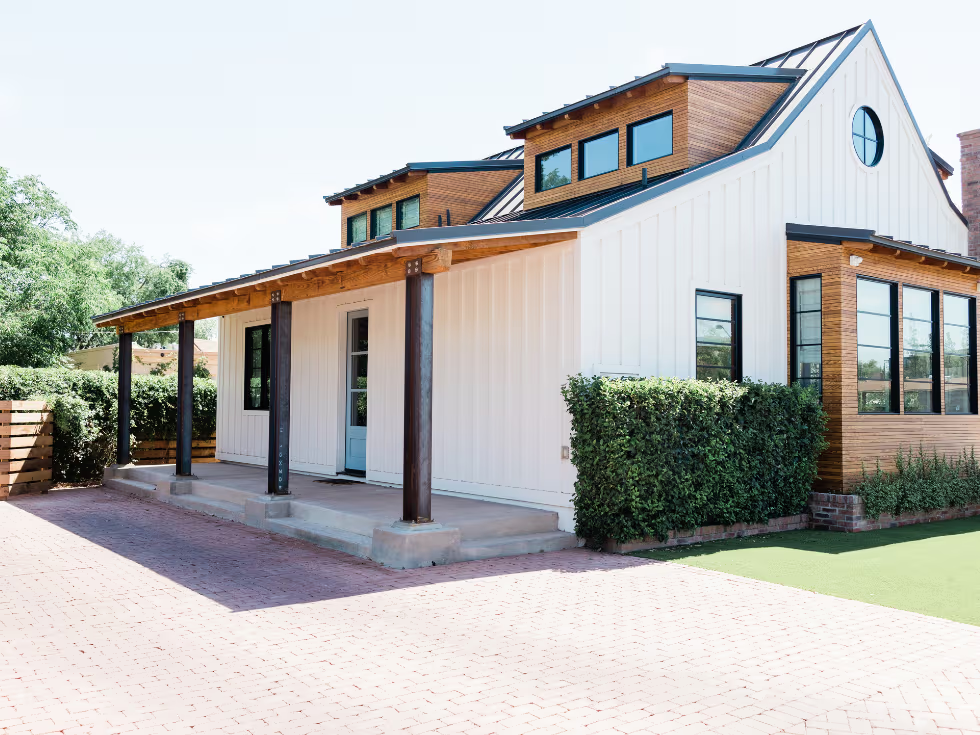
Staring at a faded, chalky exterior wall and wondering if it’s finally time? A good exterior house painting guide should answer the questions you actually have — not just “pick a nice color” but real stuff like how much it’ll cost, how long it’ll last, and what happens if the walls aren’t prepped properly first.
I’ve watched more than a few paint jobs fail within two years, and almost every time, it traces back to skipped prep work, not bad paint. That’s the part nobody wants to hear because it’s the boring, unglamorous 60% of the job.
This guide walks through the whole process — costs, materials, timing, and the mistakes that quietly ruin an otherwise decent paint job.
How Much Does Exterior House Painting Cost in 2026?
An exterior house painting job for an average Indian home typically costs ₹15-₹40 per sq ft including labor and materials, with total costs for a mid-sized house landing somewhere between ₹40,000 and ₹1.5 lakh depending on size, paint quality, and surface condition.
That’s a big range, so let’s narrow it down. Basic emulsion paint jobs on a straightforward, single-story home sit at the lower end. Add texture finishes, waterproofing treatments, or extensive surface repair, and costs climb fast.
Rough per-square-foot breakdown:
- Basic emulsion (economy grade): ₹12-₹18/sq ft
- Premium weatherproof emulsion: ₹20-₹35/sq ft
- Textured or specialty finishes: ₹35-₹60/sq ft
- Waterproofing treatment (if needed): Add ₹15-₹30/sq ft on top of paint cost
Labor typically makes up 30-45% of the total, and it goes up with building height — a three-story home needs scaffolding and more careful safety setup than a single-story bungalow, and contractors price that in.
Choosing the Right Exterior Paint Type
Not all paint is built for outdoor punishment, and picking wrong is one of the most expensive mistakes homeowners make in this whole process.
Weatherproof or exterior emulsion paint is essential — it’s formulated specifically to handle UV exposure, monsoon moisture, and temperature swings that interior paint simply isn’t built to withstand.
A few common types worth knowing:
- Acrylic emulsion: The most common choice, good flexibility, handles temperature changes reasonably well, mid-range pricing.
- Weatherproof/elastomeric coatings: More expensive but bridges small cracks and offers better waterproofing, ideal for older homes or coastal areas.
- Textured exterior paint: Hides minor surface imperfections well, though it traps more dust and dirt over time, which some people don’t love.
- Cement paint: Cheaper option, but shorter lifespan (2-3 years typically) compared to acrylic emulsions (5-7 years).
I’ll be honest, I’m not a fan of cement paint for anything beyond a quick, budget-driven touch-up. It just doesn’t hold color or resist weathering the way acrylic does, and you end up repainting sooner than you’d planned.
Sheen Matters More Than People Realize
Matte finishes hide surface flaws better but show dirt more. Satin or semi-gloss finishes clean easier and resist moisture slightly better, which makes them a solid pick for areas prone to splashback, like near the ground or under gutters.
Surface Preparation: The Step That Makes or Breaks the Job
Proper surface prep — cleaning, scraping loose paint, filling cracks, and priming — determines how long an exterior house painting job actually lasts, regardless of how expensive the paint itself is.
This is genuinely the part I harp on most, because it’s where corners get cut. A cheap paint job with excellent prep will often outlast an expensive paint job with rushed or skipped prep.
Steps that actually matter:
- Pressure wash or scrub the walls to remove dust, mold, and loose debris — paint won’t adhere properly to a dirty surface.
- Scrape off peeling or flaking old paint rather than painting directly over it.
- Fill cracks and holes with an appropriate exterior filler — small hairline cracks especially, since they widen over time if ignored.
- Treat mold or algae growth with a fungicidal wash before painting, or it’ll just grow back underneath the new coat.
- Prime bare surfaces or heavily patched areas — skipping primer on repaired spots is a common reason for uneven finish and premature peeling.
- Let everything dry fully before painting — rushing this after a wash or a rainy week is asking for trouble.
Has this ever happened to you — paint bubbling or peeling within a year of a “fresh” paint job? Nine times out of ten, that’s a prep issue, not a paint quality issue.
Best Time of Year to Paint Your Exterior
The ideal window for exterior house painting in most of India is post-monsoon through early summer — roughly October through March — when humidity is lower and there’s less risk of rain interrupting drying time.
Painting during monsoon season is asking for trouble. Trapped moisture under fresh paint leads to bubbling, poor adhesion, and mold growth underneath the film — problems that don’t show up immediately but surface months later.
Extreme summer heat isn’t ideal either. Paint can dry too fast on the surface while staying wet underneath, leading to cracking and poor bonding. If you’re painting during hotter months, early morning or late afternoon application works better than painting a wall in direct midday sun.
Humidity below 85% and temperatures between roughly 10°C and 35°C are the general sweet spot most paint manufacturers recommend for proper curing.
DIY vs Hiring a Professional Painter
DIY exterior painting can save 30-50% compared to hiring professionals, but it demands more time, proper safety equipment for height work, and a realistic understanding of your own skill level with prep and application.
For single-story homes with straightforward walls, DIY is genuinely doable if you’re reasonably handy. For anything beyond two stories, or homes with intricate trim work, I’d lean toward hiring a professional — the safety risk alone (ladders, scaffolding, working at height) usually isn’t worth the savings.
Picture a small business owner in Jaipur who decided to repaint her two-story home herself to save money. The ground floor turned out great. The second floor, painted from a rented ladder in awkward, unstable positions, ended up patchy and uneven — she wound up hiring a professional anyway to fix the upper section, which cost more in the end than just hiring one from the start.
[link to guide on hiring a reliable home renovation contractor here]
Professional painters also bring proper equipment — sprayers, extension ladders, scaffolding — that most homeowners don’t own and wouldn’t want to rent for a one-time job anyway.
How Long Does Exterior Paint Actually Last?
Quality exterior house painting with proper prep and weatherproof paint typically lasts 5-8 years before needing a full repaint, though touch-ups on high-exposure areas (south or west-facing walls, ground-level splashback zones) might be needed sooner.
Sun exposure is the biggest factor here. Walls facing direct afternoon sun fade and degrade faster than shaded walls — sometimes noticeably so within just 3-4 years, even with the same paint used elsewhere on the house.
A few things that shorten paint lifespan:
- Heavy monsoon exposure without proper waterproofing underneath
- Poor initial surface prep (this one again — it really is that important)
- Cheap, low-quality paint even with good application
- Nearby trees causing constant shade and moisture retention, which encourages algae growth
And a few that extend it:
- Using a premium weatherproof paint with UV protection
- Regular light cleaning to prevent dirt buildup
- Addressing small cracks or peeling promptly rather than waiting for a full repaint
Color Selection and Curb Appeal Tips
Lighter colors reflect more heat and tend to show less fading over time, while darker exterior colors absorb more heat and often fade faster, especially on walls with heavy sun exposure.
This one’s partly aesthetic, partly practical. I’ve noticed a lot of people pick their exterior color purely based on what looks good in a paint swatch app, without considering how their specific climate and sun exposure will affect it over the years.
A few practical tips:
- Test actual paint samples on your wall in different lighting — swatches and screens lie more than you’d think.
- Consider your neighborhood’s general palette; going drastically different can affect resale appeal in some markets, though not always.
- Darker accent colors on trim or doors age better than full dark facades, since they cover less total surface area exposed to sun.
- Matte or low-sheen finishes in darker colors tend to show less fading unevenness than glossier finishes.
[link to related article on home exterior renovation ideas here]
FAQs
How often should you repaint the exterior of your house? Most homes need a full repaint every 5-8 years, though this depends heavily on paint quality, sun exposure, and local climate — coastal or heavy-monsoon areas often need it closer to the 5-year mark.
Is it cheaper to paint your house yourself or hire a professional? DIY is typically 30-50% cheaper upfront, but factor in your own time, equipment costs if you don’t already own ladders or sprayers, and the risk of a less durable finish if prep work isn’t done properly.
What’s the best weather for exterior house painting? Dry conditions with moderate temperatures (roughly 10-35°C) and low humidity work best — avoid painting during monsoon season or in direct, extreme midday heat.
How many coats of paint does an exterior wall need? Most exterior jobs need two coats over a primed surface for even coverage and proper durability — a single coat often looks patchy and won’t hold up as long against weathering.
Can you paint over old, peeling exterior paint? No, not without proper prep — peeling paint needs to be scraped off first, or the new coat will simply peel along with the old layer underneath within a short time.
Does exterior paint color affect a home’s temperature inside? Yes, to some degree — lighter colors reflect more heat and can modestly reduce indoor temperatures in hot climates, while darker colors absorb more heat, though wall insulation plays a bigger overall role than color alone.
Conclusion
A good exterior house painting job comes down to three things that matter more than people expect: proper surface prep, the right paint type for your climate, and decent timing around the monsoon season. Skimping on any of these is how a fresh paint job ends up looking tired again within a couple of years instead of lasting five to eight.
If your walls are showing chalking, cracking, or peeling right now, don’t wait for it to get worse — get a couple of quotes, ask specifically about their prep process (not just the paint brand), and plan the job for that October-to-March window when conditions actually favor a lasting finish.