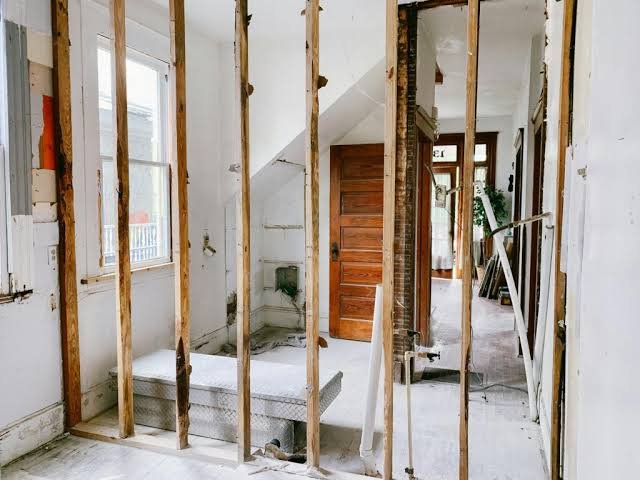
You’ve decided to finally fix up that spare room, or maybe replace the ugly tiles in your kitchen. Then a thought creeps in — do I need to apply for permission for this? It’s the question that stalls more weekend projects than it should. The good news is that a lot of home improvement without permit paperwork is completely doable, legally and safely.
I used to assume everything needed some kind of approval, which meant I put off small fixes for months out of sheer confusion. Turns out most cosmetic and non-structural work doesn’t need a permit at all. This guide breaks down exactly what falls in that safe zone, and where you actually do need to loop in your local municipal office.
What Counts as Home Improvement Without Permit in India
Direct answer: In most Indian cities, cosmetic changes like painting, flooring, fixture replacement, and non-structural repairs don’t require a permit. Anything that changes the building’s footprint, height, structural walls, or external appearance typically does need municipal approval under local building bylaws.
The rule of thumb I’ve come to trust: if you’re not touching load-bearing walls, the building’s outer shape, or the plumbing/electrical infrastructure at a major level, you’re usually fine.
Municipal corporations across India — BBMP in Bangalore, MCD in Delhi, JMC in Jaipur — mostly care about two things. Safety and structural integrity. They’re not sending inspectors because you repainted your bedroom teal.
That said, rules do vary by city and even by ward sometimes, so “usually fine” isn’t the same as “guaranteed fine everywhere.” When in doubt, a five-minute call to your local ward office clears things up fast. Cheaper than a fine later, trust me.
Interior Painting and Wall Finishes
This one’s about as low-risk as home improvement gets, permit-wise.
Painting walls, whether it’s your living room or the entire flat, needs zero permission. Same goes for texture finishes, wallpaper, or those trendy accent walls everyone’s doing now. Go wild with color if you want.
Here’s what typically falls under this no-permit bucket:
- Interior wall paint, any color, any finish
- Wallpaper installation or removal
- Wood paneling on existing walls (not structural additions)
- Ceiling paint or POP false ceiling (non-structural, decorative only)
- Skim coating or plastering over existing walls
One thing worth mentioning — if your building has a housing society or RWA, they might have their own internal rules about approved colors for external walls or balconies, separate from municipal permits. That’s a society matter, not a legal one, but it can still cause friction with neighbors if you skip it. Worth checking your society bylaws first.
Flooring Replacement and Upgrades
Direct answer: Replacing existing flooring — tiles, marble, vinyl, or wood — generally doesn’t require a permit as long as you’re not altering the sub-floor structure or changing floor levels significantly. This applies whether you’re updating one room or the whole house.
Swapping out old, cracked tiles for new vitrified ones? Go ahead. Adding vinyl planks over existing flooring? No paperwork needed there either.
Where it gets slightly trickier is when you’re raising or lowering floor levels by a noticeable amount, especially near bathrooms where waterproofing and drainage slopes matter. That’s less about permits and more about doing it right so water doesn’t end up somewhere it shouldn’t.
A quick real number for context: retiling a standard 200 sq ft room in most Indian cities runs somewhere between ₹40,000-₹80,000 depending on tile quality, and none of that involves a municipal application. It’s purely a contractor-and-material decision.
Kitchen and Bathroom Fixture Updates
Replacing what’s already there is usually fine. Adding new plumbing lines is where things shift.
Swapping a tap, changing a showerhead, installing a new sink in the exact same spot as the old one — none of this typically needs a permit. You’re working within existing plumbing infrastructure, not creating new connections.
Picture a small business owner in Jaipur who runs a boutique with a small attached washroom. She wanted to upgrade the old geyser and replace the basin — both straightforward swaps. No permit needed, and the whole job, fixtures included, cost her around ₹18,000 and took a plumber half a day.
Contrast that with adding a whole new bathroom where there wasn’t one before. That involves new plumbing lines, possibly new drainage connections to the main line, and depending on your city, that can trigger the need for approval — especially in commercial or mixed-use buildings.
Quick list of fixture jobs that generally stay permit-free:
- Replacing taps, showerheads, and faucets
- Swapping out an old sink or basin for a new one (same location)
- Installing a new geyser or water heater (same spot, same wiring load)
- Changing toilet seats or commodes
- Upgrading kitchen countertops without moving plumbing points
Cabinet, Closet, and Storage Installations
Storage solutions are a homeowner favorite, and thankfully, most of them are permit-free territory.
Built-in wardrobes, kitchen cabinets, modular storage units — as long as they’re not load-bearing or altering the room’s structure, you’re clear. Even wall-mounted shelving units, no matter how elaborate, generally don’t need approval.
Has this ever tripped you up? A lot of people assume “built-in” automatically means “needs permission.” It usually doesn’t, since these are considered furniture-adjacent fixtures, not structural changes to the building itself.
Things that stay in the DIY-friendly, no-permit zone:
- Modular kitchen installation (cabinets, drawers, countertops)
- Walk-in or built-in wardrobes
- Floating shelves and wall-mounted storage
- Under-stair storage conversions (as long as the stair structure itself isn’t touched)
- Garage shelving and pegboard systems
The one exception worth flagging: if your storage project involves cutting into a wall to create a recessed nook, and that wall happens to be load-bearing, that crosses into structural territory. Always confirm with a structural engineer or at least your building’s original architect drawings before cutting into anything solid. [link to guide on identifying load-bearing walls here]
Landscaping and Outdoor Improvements
Outdoor projects have their own separate set of rules, and honestly, most homeowners don’t even think to ask about permits here — because they usually don’t need one.
Gardening, planting, laying a new pathway, adding a small deck or patio at ground level — these typically fall outside permit requirements. The key phrase is “ground level.” Once you start building upward (think elevated decks, pergolas with permanent roofing, or anything attached structurally to the house), the rules can shift.
A few landscaping projects that are almost always fine without paperwork:
- Garden beds, planters, and vegetable patches
- Ground-level paver or stone pathways
- Fencing under a certain height (varies by city, often around 1.8-2 meters for front boundaries)
- Outdoor lighting that doesn’t involve major new electrical wiring
- Small water features or fountains
Fencing is actually the one that catches people out most. Boundary walls and fences sometimes do need approval if they exceed height limits or sit right on a property line, since that touches on legal boundary disputes with neighbors. It’s less about the fence itself and more about where exactly it sits.
Electrical and Lighting Updates (Minor Ones)
This is where I’d push back a little on the assumption that “electrical work always needs a permit.” Minor stuff usually doesn’t — but I’d still be cautious here regardless of what the rulebook says.
Swapping light fixtures, installing ceiling fans on existing points, changing switch plates, adding smart home devices like plugs or bulbs — none of this typically needs municipal sign-off. You’re working with existing wiring, not adding new circuits.
Where I disagree with some DIY guides online: even though a fixture swap doesn’t legally need a permit, that doesn’t mean it doesn’t need an electrician. I’ve seen people do a “simple” fan installation themselves and end up with a flickering light circuit that took a professional an hour to sort out — and that hour cost more than just hiring them from the start would have.
Direct answer: Minor electrical work like fixture replacement, ceiling fan installation on existing points, and smart device setup generally doesn’t require a permit in most Indian cities. However, adding new circuits, upgrading your main panel, or major rewiring almost always does, due to fire safety regulations.
When “No Permit Needed” Still Means Caution
Just because something’s legally permit-free doesn’t mean it’s risk-free. That distinction matters more than people give it credit for.
A few situations worth extra care even without paperwork involved:
- Working near existing plumbing — small mistakes cause big water damage
- Anything involving old wiring in older buildings (pre-1990s construction especially)
- Modifications in rented properties — check your lease, not just municipal law
- Shared walls in apartments — even non-structural work can transmit noise or vibration to neighbors
I’d also gently suggest checking with your housing society even for permit-free work, especially if it involves any noise, water usage, or shared infrastructure. Not a legal requirement, but it avoids awkward conversations with neighbors later. [link to related guide on society approval process here]
FAQ: Common Questions About Home Improvement Without Permit
Does painting my house need a permit in India? No. Interior or exterior painting is one of the most common examples of home improvement without permit requirements, as long as you’re not changing the structure or adding new construction.
Can I renovate my kitchen without a permit? Generally yes, if you’re replacing cabinets, countertops, and fixtures without moving plumbing or electrical points significantly. Adding new gas lines or major structural changes to the kitchen layout is where you’d need approval.
Do I need permission to install a modular wardrobe? No, built-in wardrobes and modular storage units don’t typically require municipal permits since they’re treated as furniture, not structural additions to the building.
Is a permit required for minor electrical repairs? Usually not for fixture swaps, fan installations on existing points, or smart device setup. New circuits, panel upgrades, or major rewiring almost always need sign-off due to safety codes.
What happens if I do permit-required work without approval? You could face fines, forced demolition of the unauthorized portion, or complications when selling the property later. Municipal bodies do conduct periodic inspections, and unauthorized structural work is a common flag during property transactions.
How do I find out my city’s specific permit rules? Check your local municipal corporation’s website, or call your ward office directly. Rules genuinely vary between cities like Jaipur, Mumbai, and Bangalore, so don’t assume one city’s rules apply to another.
Conclusion
Most of the projects homeowners actually want to do — painting, flooring, fixture swaps, cabinets, minor electrical, landscaping — fall comfortably into home improvement without permit territory. The line gets drawn at structural changes, new plumbing or electrical infrastructure, and anything that alters your building’s footprint or external appearance.
Before you start your next project, run through this list and figure out which bucket it falls into. And if you’re even a little unsure, a quick call to your ward office costs nothing and saves you from a much bigger headache down the road.