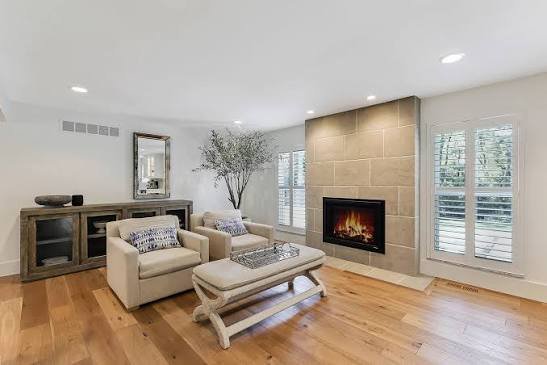
Buyers decide how they feel about a home in the first 30 seconds. Maybe less. If you’re wondering how to stage a home for sale so it doesn’t sit on the market for months, that first impression is basically the whole game — everything else is just supporting evidence.
I helped my cousin stage her 2BHK in Pune before listing it last year, and what struck me was how little of it was about spending money. Most of how to stage a home for sale effectively comes down to removing things, not adding them. Buyers need to picture their own life in the space, and your family photos, your kids’ school trophies, your particular taste in curtains — none of that helps them do that. Let’s get into what actually works.
What Home Staging Actually Means (And What It Doesn’t)
Staging isn’t decorating, and it definitely isn’t renovation. It’s presentation — arranging what you already have (plus a few strategic additions) so the home photographs well and feels inviting in person.
Featured Answer: What Does Staging a Home Mean?
Staging a home means arranging furniture, decor, and lighting to highlight a property’s best features and help buyers picture themselves living there — not redecorating for personal taste. It’s a temporary, sale-focused presentation, usually reversible within a day or two.
A lot of sellers confuse staging with “making it look nicer for us.” Wrong goal entirely. The goal is making it look nicer for a stranger who’s never set foot inside before. Those are genuinely different jobs, and mixing them up is probably the single biggest staging mistake I’ve seen.
Declutter Before You Do Anything Else
Skip this step and every other staging tip on this list works worse. I mean that literally — a cluttered home undermines even good furniture placement and fresh paint.
Start room by room:
- Remove at least a third of what’s currently in each room — furniture, decor, everything. Sounds aggressive, but empty-ish rooms photograph as spacious; full rooms photograph as small.
- Clear kitchen counters almost entirely — leave maybe one or two items, nothing more.
- Empty closets to about half capacity; buyers open closets, and a stuffed closet suggests inadequate storage even if that’s not true.
- Box up personal items — family photos, religious items, kids’ artwork — and store them out of sight, not just tidied away.
Picture a family in Jaipur selling a 3BHK they’ve lived in for fifteen years. Fifteen years of accumulated stuff. The single highest-impact afternoon they could spend before listing isn’t painting a wall — it’s hauling half their furniture into temporary storage. Sounds boring. Works incredibly well.
Has your own home ever felt smaller than it actually is just because there’s too much in it? That’s exactly the effect you’re trying to reverse for buyers.
Deep Clean Like You’re Getting Inspected
This sounds obvious, and yet it’s the step sellers skip most often, usually because they’re already tired from decluttering. Don’t skip it — a spotless home reads as well-maintained, and a well-maintained home reads as worth the asking price.
Focus areas that matter more than people expect:
- Bathrooms and kitchens — buyers judge these hardest, fair or not, so grout, taps, and exhaust fans need real attention, not a quick wipe.
- Windows — clean glass genuinely changes how much natural light a room appears to have.
- Odors — pet smells, cooking smells, damp smells. Sellers go nose-blind to their own home’s smell within weeks of living there, so ask a friend to do an honest walkthrough.
- Floors — a proper deep clean or polish, especially for marble or tile floors common in Indian homes, makes an outsized visual difference for relatively little effort.
I’ve noticed agents specifically call out smell more than almost anything else during a walkthrough. It’s the one sense buyers can’t fake enthusiasm for if it’s off.
Fix the Small Broken Things
A leaking tap or a cracked switch plate seems minor to you, since you’ve lived with it for months. To a buyer walking through for the first time, it reads as “what else is broken that I can’t see?” That’s a dangerous thought to plant in someone’s head mid-viewing.
Quick wins worth doing before any showing:
- Fix leaky taps and running toilets — cheap repairs, big trust signal.
- Replace burnt-out bulbs throughout, including inside cupboards and under-sink areas.
- Touch up chipped paint on walls, door frames, and window sills.
- Oil squeaky doors and hinges — a tiny fix that removes an oddly memorable negative impression.
- Repair any cracked tiles, especially in bathrooms and kitchens where buyers look closely.
None of this is glamorous work. But how to stage a home for sale successfully really is 70% about removing red flags rather than adding wow factor. Buyers remember the broken thing more than they remember the nice thing.
[link to related guide about garden landscaping curb appeal here]
Neutral Colors Sell Faster Than Bold Ones
This one causes actual arguments in families, in my experience. Someone loves the deep maroon accent wall in the bedroom; the agent wants it painted a soft beige before listing. The agent’s usually right, honestly, even though it stings to hear.
Why neutrals work for staging:
- They photograph more accurately under different lighting conditions — bold colors can shift oddly in listing photos depending on the camera and light.
- They let buyers project their own furniture and taste onto the space instead of fighting your color choices mentally.
- A fresh coat of neutral paint (₹15,000-₹25,000 for a typical flat, depending on size) is one of the highest ROI pre-sale investments available, according to most Indian real estate agents.
You don’t need to repaint the entire home. Focus on the rooms buyers spend the most time evaluating — living room, main bedroom, and kitchen if it’s an open layout. Bathrooms matter too, but a small tiled bathroom often doesn’t need repainting at all.
Lighting Makes Rooms Feel Bigger and Warmer
Dim, mismatched lighting is one of those things buyers feel without consciously noticing why. Fix it, and rooms instantly read as more spacious and more cared-for.
- Open all curtains and blinds fully before every single showing — natural light does more work than any staged lamp.
- Use warm white bulbs (2700K-3000K) rather than harsh cool white ones in living spaces; cool white can make a home feel clinical rather than inviting.
- Add a lamp or two in dim corners — table lamps are cheap and make an outsized difference in evening viewings.
- Clean light fixtures and replace yellowed, aging bulb covers where visible.
I’ll be honest, lighting was the last thing my cousin fixed during her staging process, almost an afterthought. In hindsight it probably should’ve been near the top of the list — the difference in how the flat photographed before and after was bigger than I expected.
Rearrange Furniture to Maximize Flow
Cramped, awkward furniture arrangements make rooms feel smaller than their actual square footage — and buyers absolutely notice, even if they can’t articulate why a room feels “off.”
- Pull furniture away from walls slightly; oddly, this often makes a room feel bigger, not smaller, because it creates a sense of intentional space.
- Remove at least one extra chair or table from any room that feels crowded — less furniture, more perceived space.
- Create clear walking paths through every room; buyers shouldn’t have to angle around furniture to move through a space.
- Define room purpose clearly — if a spare room’s been used as storage for years, stage it as a study or guest room instead. Buyers struggle to value ambiguous spaces.
This part of how to stage a home for sale takes almost no money, just an afternoon and some patience moving heavy things around. Worth it, every time.
[link to related guide about best plants for small backyard gardens here]
Curb Appeal Sets the Tone Before Buyers Even Walk In
Don’t ignore the outside while obsessing over the inside. Buyers form an opinion before they’ve even rung the doorbell, and a neglected entrance undercuts a beautifully staged interior.
- Sweep the entrance, clear cobwebs, and fix any obviously broken gate or doorbell.
- Add a couple of healthy potted plants near the entrance — instant warmth for very little cost.
- Repaint or clean the front door if it’s faded or scuffed; it’s the very first surface a buyer’s eye lands on.
A well-staged interior behind a shabby entrance creates a jarring mismatch that actually makes buyers more suspicious, not less — as if the good staging is compensating for something.
FAQ: Common Questions About Staging a Home for Sale
How much does it cost to stage a home for sale in India? Basic staging — decluttering, cleaning, minor repairs, and paint touch-ups — typically costs ₹20,000 to ₹60,000 for a standard flat, far less than a price reduction from sitting unsold too long.
Do I need to hire a professional stager? Not always. Smaller homes and flats often do fine with DIY staging using the steps above. Larger or higher-value properties sometimes benefit from a professional’s eye, especially for photography.
Should I stage an empty home or one that’s still furnished? Furnished, if possible — empty rooms are harder for buyers to judge for scale and flow. If the home’s genuinely empty, renting a few key furniture pieces for photos and showings is worth considering.
How long does staging usually take before listing? A weekend is often enough for decluttering, cleaning, and small repairs. Repainting adds a few more days depending on how many rooms you’re doing.
Does staging really help sell a home faster? Yes — staged homes generally attract more serious inquiries and can sell notably faster than unstaged ones, largely because buyers form a stronger emotional connection during viewings.
What rooms matter most when staging a home? Living room, kitchen, and main bedroom get the most buyer attention and scrutiny, so prioritize your staging effort there if time or budget is limited.
Final Thoughts
Learning how to stage a home for sale really comes down to seeing your own home the way a stranger would — which is harder than it sounds, since you’ve stopped noticing its quirks months ago. Declutter first, clean obsessively, fix the small broken things, then let neutral colors and good lighting do the rest.
Don’t try to do everything the weekend before your first showing. Start decluttering now, even if listing is still weeks away — future you, mid-move, will be relieved you didn’t leave it all for one frantic weekend.