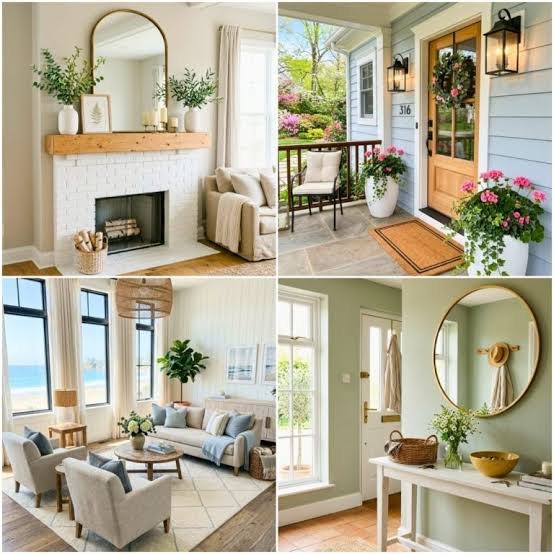
Ever walk into your own living room in July and feel like it still looks like December? Yeah, that’s a sign it’s time to think about seasonal home decor ideas — small, manageable changes that keep a space feeling current without a full renovation every few months.
I used to think seasonal decorating was a bit excessive, honestly, something reserved for people with too much storage space and too much free time. Then I actually tried swapping a few things around each season, and I get it now. It’s less about buying new stuff constantly and more about rotating what you already have.
This guide runs through practical seasonal ideas for an Indian home — summer, monsoon, festive season, and winter — without needing a big budget or a design degree.
Why Seasonal Decorating Actually Matters
Rotating seasonal home decor elements — textiles, colors, lighting, and small accents — keeps a home feeling fresh and lived-in, rather than static, while also adapting practically to weather changes like heat, humidity, or monsoon dampness.
It’s not just aesthetics either, though that’s a big part of it. Certain seasonal choices are genuinely functional. Lighter fabrics in summer actually feel cooler. Warmer lighting in winter genuinely changes the mood of a room after sunset comes earlier.
A few reasons it’s worth the small effort:
- Keeps your home feeling intentional rather than like it’s stuck on autopilot
- Lets you rotate storage-bound items instead of buying new decor constantly
- Adapts practically to seasonal humidity, light levels, and temperature
- Small changes are genuinely more budget-friendly than full redecorating
I’ve noticed that even changing just one or two things — a throw, a candle scent, a few cushion covers — shifts how a room feels far more than people expect. You don’t need to overhaul everything at once.
Summer Decor Ideas for Indian Homes
For Indian summers, lighter fabrics, cooler color palettes, and reduced clutter make the biggest visual and practical difference — think breathable cotton or linen textiles in whites, pastels, and soft blues that visually (and sometimes literally) feel cooler.
Summer in most of India means heat, dust, and a general desire for anything that feels lighter and airier.
- Swap heavy curtains for lighter fabrics — sheer cotton or linen lets in airflow while still offering some privacy and sun control.
- Switch cushion covers to lighter colors and breathable materials; velvet and heavy weaves just feel wrong in 40°C weather.
- Add indoor plants like money plant or areca palm, which also help with a bit of natural cooling and air quality.
- Declutter surfaces — a visually lighter, less cluttered room genuinely feels cooler, even if the actual temperature hasn’t changed.
- Use citrus or fresh scents instead of heavier, warmer fragrances that feel more suited to cooler months.
Picture a small business owner in Jaipur running a boutique guesthouse who swaps her heavy jute rugs for lighter cotton dhurries every April. Guests specifically comment on how much “cooler” the rooms feel, even though the AC settings haven’t changed at all — it’s almost entirely a visual and textural effect.
Monsoon Decor Ideas That Actually Work
Monsoon decor should focus on moisture-resistant materials, warmer accent lighting for gloomy days, and practical touches like removing rugs from doorway areas prone to tracked-in water.
This season gets the least attention in most decorating guides, probably because it’s more about practicality than pure aesthetics. But that doesn’t mean it can’t look good.
A few things worth doing:
- Swap doormats and entryway rugs for something water-resistant and easy to clean — natural fiber jute mats tend to hold moisture and develop odor.
- Add warm accent lighting — string lights or warm-toned lamps help counter the grey, overcast feel of monsoon days indoors.
- Bring in a few dehumidifying plants like peace lily or snake plant, which also help with the general dampness in the air.
- Rotate out fabric-heavy decor in high-humidity rooms, since damp conditions can encourage mold on things like upholstered cushions left too long in one spot.
- Use scented candles with warmer notes — sandalwood, cinnamon — which feel more inviting against the grey monsoon light outside.
Has this ever happened to you — a rug near the front door that just never fully dries out during monsoon and starts smelling musty? Swapping to a rubber-backed or synthetic mat during these months solves that pretty completely.
Festive Season Decor (Diwali, Navratri, and Beyond)
Festive seasonal home decor during Diwali, Navratri, and the broader festive stretch typically centers on warm lighting, rich jewel-tone textiles, and traditional accents like diyas, torans, and rangoli — elements that bring warmth and celebration into the home without requiring a full redecoration.
This is probably the season most Indian households already lean into instinctively, but a few small additions can elevate what people are already doing.
- Layer different light sources — diyas, fairy lights, and lanterns together create more depth than a single string of lights alone.
- Bring in jewel tones through cushion covers, table runners, or curtains — deep reds, golds, and emerald greens read as festive without needing full-blown decorations everywhere.
- Rotate in brass or metallic accents — small bowls, candle holders, or trays that catch the warm lighting nicely.
- Fresh flowers — marigold especially — add color and scent that synthetic decor just can’t replicate.
[link to related guide on exterior house painting before festive season here]
I’ll admit, I go a little overboard with diyas every year. My family thinks it’s excessive. I don’t really care — it’s one of the few decorating moments where “too much” doesn’t actually feel like too much.
Winter Decor Ideas for Cozy Interiors
Winter decor benefits from warmer color palettes, layered textiles like throws and heavier cushion covers, and softer, warmer lighting that creates a cozier feel as days get shorter and temperatures drop.
Winters vary a lot across India — genuinely cold in the north, mild in coastal and southern regions — so how much you lean into “cozy” depends heavily on where you actually live.
- Layer throws and blankets over sofas and chairs, both for actual warmth and visual texture.
- Switch to warmer-toned lighting — amber or soft yellow bulbs instead of cooler white light, which can feel a bit clinical in winter months.
- Bring in heavier textiles — wool or heavier cotton cushion covers and rugs replace the lighter summer fabrics.
- Add warm scents — cinnamon, vanilla, or woody notes suit the season better than the citrus and floral scents that work in summer.
For homes in genuinely cold regions, a good rug underfoot makes a bigger comfort difference than people expect — cold flooring, especially tile or stone, gets noticeably uncomfortable once temperatures drop.
Budget-Friendly Ways to Refresh Decor Each Season
Seasonal refreshes don’t need a big budget — rotating existing textiles, rearranging furniture, swapping a few accent pieces, and using seasonal plants or flowers can transform a room’s feel for under ₹3,000-₹5,000 per season.
You genuinely don’t need to buy all new decor four times a year. That’s neither practical nor good for your wallet.
A few low-cost strategies:
- Rotate, don’t rebuy — store off-season cushion covers, throws, and textiles and simply swap them back in, rather than buying new every time.
- Rearrange furniture — sometimes just shifting a sofa or repositioning a rug changes a room’s feel more than any new decor item would.
- Use fresh flowers or seasonal plants — genuinely one of the cheapest ways to add color and life to a space, and they naturally change with the season anyway.
- DIY small accents — a fresh coat of paint on an old vase, or repurposing fabric scraps into new cushion covers, costs very little.
[link to guide on best paint finishes for different rooms here]
Common Mistakes People Make With Seasonal Decor
A few patterns show up again and again when people try to do seasonal decorating, and most are easy to avoid once you know to watch for them.
- Going all-in every season — buying entirely new decor sets four times a year gets expensive fast and honestly isn’t necessary for the effect to work.
- Ignoring practical needs — decorating purely for looks while ignoring monsoon dampness or summer heat means fighting against your own space instead of working with it.
- Storing seasonal items poorly — textiles stored without proper protection can develop moisture damage or moth issues by the time you pull them out again.
- Overcrowding festive decor — more isn’t always better; a few well-placed pieces often look more intentional than covering every surface.
- Forgetting scent — people focus entirely on visuals and forget that scent plays a huge role in how “seasonal” a space actually feels.
FAQs
How often should I update my home decor for the seasons? Most people find 3-4 seasonal refreshes a year works well — roughly aligned with summer, monsoon, festive season, and winter — though even two shifts a year (light season vs cozy season) makes a noticeable difference.
What are cheap ways to decorate for each season? Rotating existing textiles you already own, adding fresh flowers or seasonal plants, and rearranging furniture are some of the most affordable ways to refresh a space without buying much new.
How do I make my home look cooler in summer without an AC upgrade? Lighter fabrics, decluttered surfaces, cooler color palettes, and a few well-placed plants create a genuinely cooler visual and even psychological effect, separate from actual temperature control.
What’s the best way to store seasonal decor items? Clean items thoroughly before storing, use breathable storage bags or boxes rather than airtight plastic for textiles, and keep everything somewhere dry to avoid mold or moisture damage between seasons.
Do I need different lighting for different seasons? Yes, to some extent — warmer-toned lighting suits monsoon and winter months when days are greyer or shorter, while brighter, cooler lighting can feel more appropriate during summer.
How can I decorate for Diwali without overspending? Focus on lighting (diyas and fairy lights go a long way), a few jewel-toned textile swaps, and fresh flowers — these create a strong festive feel without needing elaborate or expensive new decor pieces.
Conclusion
Good seasonal home decor isn’t about constantly buying new things — it’s about rotating what you already have, paying attention to what each season actually needs (cooling in summer, warmth in winter, practicality during monsoon), and layering in a few well-chosen seasonal touches like lighting, textiles, and scent. Small, thoughtful changes add up to a home that feels considered year-round.
Start small this season — swap out one thing, a cushion cover or a scent, and see how much of a difference it makes before committing to a bigger seasonal refresh. Chances are, that one small change will convince you to keep going.