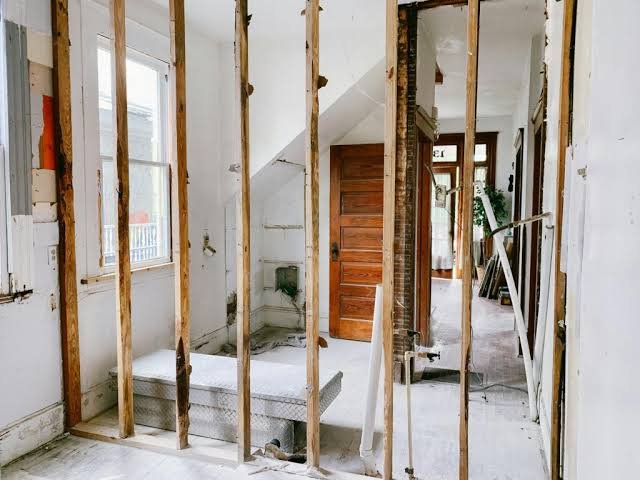
So you’re standing in your living room, staring at a wall you want to knock down, or a tap that won’t stop dripping, wondering if you should just watch a YouTube tutorial and get on with it. That’s the moment every homeowner hits eventually. The DIY vs professional home improvement question isn’t really about skill — it’s about knowing which jobs are worth the risk and which ones aren’t.
I’ve painted rooms myself, fixed a wobbly cabinet door, and also once flooded a bathroom trying to change a washer I didn’t need to touch. That last one cost more than hiring a plumber would have in the first place. This guide walks through exactly when to grab your toolbox and when to pick up the phone instead.
Understanding the Real Cost of DIY vs Professional Home Improvement
Direct answer: DIY saves labor costs (typically 20-40% of a project) but risks material waste, tool purchases, and redo costs if done wrong. Professional work costs more upfront but includes warranties, correct-first-time execution, and often insurance coverage — making the true cost comparison more nuanced than sticker price alone.
People assume DIY is always cheaper. It’s often not, once you count everything.
Think about painting a 12×12 room. Paint, brushes, rollers, tape, and a drop cloth might run you ₹3,000-4,000 in India. A professional painter might quote ₹8,000-10,000 for the same room, labor included. That’s a clear DIY win.
Now flip it. Rewiring a switchboard? You’d need a tester, wire strippers, the right gauge cable, and honestly, the knowledge to not electrocute yourself. Get it wrong and you’re either calling an electrician anyway (after buying tools you’ll never use again) or dealing with a fire hazard. Suddenly that “savings” disappears fast.
A few things that quietly inflate DIY costs:
- Tool purchases for a one-time job (a tile cutter isn’t cheap if you’ll use it once)
- Material waste from inexperience — cutting wrong, measuring wrong, buying too much or too little
- The “redo tax” — paying a professional to fix what you attempted, which sometimes costs more than starting fresh
- Your own time, which has value even if it doesn’t show up on a receipt
When DIY Home Improvement Actually Makes Sense
Not every project needs an expert. Some jobs are genuinely beginner-friendly, and doing them yourself is a smart move — for your wallet and your confidence.
Here’s where DIY tends to work out well:
- Painting walls and touch-ups — Low risk, forgiving of small mistakes, and satisfying to finish
- Installing shelves or floating furniture — As long as you’re using a stud finder correctly
- Basic garden and landscaping work — Planting, mulching, simple pathway edging
- Caulking and re-grouting tiles — Tedious but not technically hard
- Assembling flat-pack furniture — Obviously. Though the instructions never quite match reality, do they?
- Replacing cabinet hardware — Handles, knobs, hinges — pure screwdriver work
I’ve noticed that people who do well with DIY are the ones who research first and don’t rush. Watch two or three videos, not just one. Read the comments too — that’s often where the “this step doesn’t work like they say” warnings show up.
One more thing worth saying: DIY is also a good option when the consequence of failure is small. Painted a wall badly? Repaint it. Planted a shrub in the wrong spot? Move it. Low stakes, low pressure.
When You Should Hire a Professional Instead
Direct answer: Hire a professional for anything involving electrical wiring, gas lines, structural changes, plumbing beyond basic fixture swaps, or roofing. These carry safety risks, often require permits, and mistakes can void insurance or create liability issues that far outweigh any labor savings.
This is where the DIY vs professional home improvement decision gets serious.
Picture a small business owner in Jaipur who decided to extend her shop’s back room herself over a weekend, using YouTube as her only guide. The wall she built wasn’t load-bearing correctly, and six months later a crack ran straight across the ceiling. The contractor she eventually hired to fix it charged nearly double what it would’ve cost to build it right the first time. That’s the risk with structural work — mistakes don’t always show up immediately.
Jobs that almost always need a licensed expert:
- Electrical panel work or rewiring
- Gas line installation or repair (never, ever DIY this)
- Structural changes — removing walls, adding floors, foundation work
- Major plumbing — repiping, sewer line issues, water heater installation
- Roofing repairs or replacement
- Anything requiring a building permit in your area
There’s also a legal angle people forget. In many Indian cities, structural modifications need municipal approval. Skip that step and you might face fines, or worse, trouble when you try to sell the property later. [link to local building permit guide here]
Safety Risks You Shouldn’t Gamble With
Some risks just aren’t worth it, full stop. No amount of savings makes up for a serious injury or a house fire.
Electrical work tops this list. Even “simple” jobs like installing a new switchboard involve live wires, and one wrong move can be fatal — not an exaggeration. Gas line work is similar; a small leak you don’t notice can turn into a disaster days later.
Height is another underrated danger. Roof repairs, gutter cleaning on a two-story house, tree trimming near power lines — these cause more emergency room visits than people expect. A professional has the harness, the ladder rated for the job, and the experience to know when conditions (wind, wet surfaces) mean “not today.”
Ask yourself honestly: if this goes wrong, what’s the worst outcome? If the answer involves a hospital visit or a structural collapse, that’s your answer right there.
Time Investment: What DIY Really Costs You
We talk a lot about money, but time is the other currency here, and it’s easy to underestimate.
A professional plumber might fix a leaking pipe in 45 minutes because they’ve done it a thousand times. You, doing it for the first time, might spend an entire Saturday — including two trips to the hardware store because you bought the wrong fitting. Twice.
Multiply that across a whole renovation and the time gap gets huge. A full kitchen remodel might take a contractor crew 3-4 weeks. A determined DIYer, working evenings and weekends around a day job? Could stretch to 3-4 months, sometimes longer if life gets in the way (it usually does).
Ask yourself what your weekends are actually worth to you. If you enjoy the process — some people genuinely find tiling relaxing, weirdly — the time cost matters less. If you’re doing it purely to save money and dreading every hour, that’s a different calculation entirely.
Quality and Warranty Considerations
Direct answer: Professional home improvement work typically comes with a workmanship warranty (usually 1-5 years depending on the trade) and often manufacturer warranties on installed products. DIY work has no such backup — if something fails, you’re paying for repairs out of pocket, and any related insurance claims may be denied.
This is the part people skip over when comparing costs upfront.
If a professionally installed water heater fails within its warranty period, you get a free fix or replacement. If your DIY installation fails, that’s on you — and depending on how it failed, it might even affect your home insurance claim if the work wasn’t done to code.
There’s also a resale angle. When you eventually sell your home, buyers (and their inspectors) notice shoddy work. A visibly uneven tile job or an amateur electrical panel can knock real value off your asking price, or scare buyers away entirely. Professional work usually comes with documentation too, which helps during property inspections.
How to Decide: A Practical Framework
Rather than guessing, run through these questions before starting any project:
- Does it involve gas, structural elements, or major electrical work? If yes, hire a pro. No exceptions.
- Is a permit required? If yes, you’ll likely need licensed work anyway to pass inspection.
- What’s the cost of failure? Low (a bad paint job) means DIY is fine. High (water damage, fire risk) means don’t risk it.
- Do you have the right tools already, or would you need to buy them for a one-time job? This changes the math fast.
- How much time do you realistically have? Be honest — not aspirational.
- Have you done anything similar before? First-timers should start smaller.
If you’re still unsure after running through this, that’s usually a sign to at least get a professional quote first. Many contractors offer free assessments, and knowing the “real” cost helps you decide with actual numbers instead of guesswork.
Finding the Right Professional When You Do Hire
Once you’ve decided a job needs an expert, picking the right one matters just as much as the decision itself.
A few practical steps:
- Get at least three quotes — prices for the same job can vary by 30% or more between contractors
- Ask for references from recent clients, not just old ones
- Check if they’re licensed and insured for your specific type of work
- Read reviews on Google or local platforms, but weigh recent ones more heavily
- Get everything in writing — scope, cost, timeline, and what happens if things run over
Don’t just go with the cheapest quote. I’ve seen that backfire more than once — cut corners on materials, rushed timelines, callbacks for issues that should’ve been caught the first time. [link to guide on vetting contractors here] A slightly higher quote from someone with solid reviews and proper licensing is usually the safer bet.
Also worth asking: what happens if something goes wrong after they leave? A contractor confident in their work will happily explain their warranty terms. If they get vague or defensive about it, that’s worth noticing.
FAQ: Common Questions About DIY vs Professional Home Improvement
Is DIY home improvement really cheaper than hiring a professional? Sometimes, yes — for small, low-risk jobs like painting or basic assembly. But once you factor in tools, mistakes, and redo costs, DIY often ends up costing close to what a professional would’ve charged, especially for anything technical.
What home improvement projects should never be DIY? Gas line work, electrical panel upgrades, structural changes, and roofing are the big ones. These carry real safety risks and usually need permits or licensed sign-off anyway.
How do I know if a project needs a permit in India? It varies by city and the scope of work, but generally, structural changes, additions, and major electrical or plumbing overhauls need municipal approval. Check with your local municipal corporation before starting. [link to permit guide here]
Can DIY mistakes affect my home insurance? Yes, potentially. If unpermitted or improperly done DIY work causes damage, some insurers may deny the claim, arguing the work wasn’t up to code. Always check your policy’s fine print.
How much does it typically cost to hire a professional vs doing it yourself? It depends heavily on the project, but as a rough guide, professional labor adds 20-40% on top of material costs for many home projects. For technical trades like electrical or plumbing, that gap widens because of licensing and liability.
What’s a good first DIY project for a beginner? Painting a single room or installing floating shelves are solid starting points. Low risk, quick to see results, and it builds confidence for slightly bigger projects later.
Conclusion
At the end of the day, the DIY vs professional home improvement decision comes down to risk, time, and honesty about your own skill level. Small, low-stakes projects — painting, basic assembly, simple garden work — are great candidates for doing it yourself, and there’s real satisfaction in finishing them. But anything involving gas, structural work, major electrical, or safety risk deserves a professional, no matter how tempting the savings look on paper.
Before your next project, run it through the framework above. And if you’re even slightly unsure, get a quote first — it costs nothing to ask, and it might save you a much bigger bill down the road.