If you’ve ever watched your dog skid across a hardwood floor chasing a tennis ball, claws scrabbling for grip, you already know why pet-friendly flooring matters. It’s not just about looks. It’s about surviving daily life with an animal that doesn’t care about your renovation budget.
I own two dogs, one of whom treats the living room like a racetrack. Over the years I’ve learned — mostly the hard way — which flooring holds up and which just looks nice in a showroom until reality sets in.
This guide covers the materials that actually survive pets, plus a few honest opinions on ones that get recommended online but don’t hold up as well as people claim.
What Makes a Flooring Material Pet-Friendly?
Pet-friendly flooring needs to resist scratches from claws, handle moisture from accidents or wet paws, and offer enough grip that pets aren’t slipping and sliding constantly — three qualities that don’t always come together in one material.
Scratch resistance gets talked about the most, but honestly, traction matters just as much, especially for older pets or larger breeds. A floor that’s scratch-proof but slippery as ice isn’t doing your dog’s joints any favors.
Here’s what to actually look for:
- Hardness rating — for wood and laminate, look at the Janka hardness scale; higher numbers mean better scratch resistance.
- Water resistance — accidents happen, and a floor that swells or stains from spills is going to age badly fast.
- Surface texture — completely smooth, glossy floors are the worst for traction; some texture helps pets keep their footing.
- Ease of cleaning — fur, dander, and the occasional muddy paw print need to wipe up without a fight.
None of these matter in isolation. A floor might score well on hardness but still be a nightmare if it’s slippery when wet. Worth thinking about the whole picture, not just one spec sheet number.
Best Flooring Options for Pet Owners
Let’s get into the actual materials, since that’s what you’re here for.
Luxury Vinyl Plank (LVP)
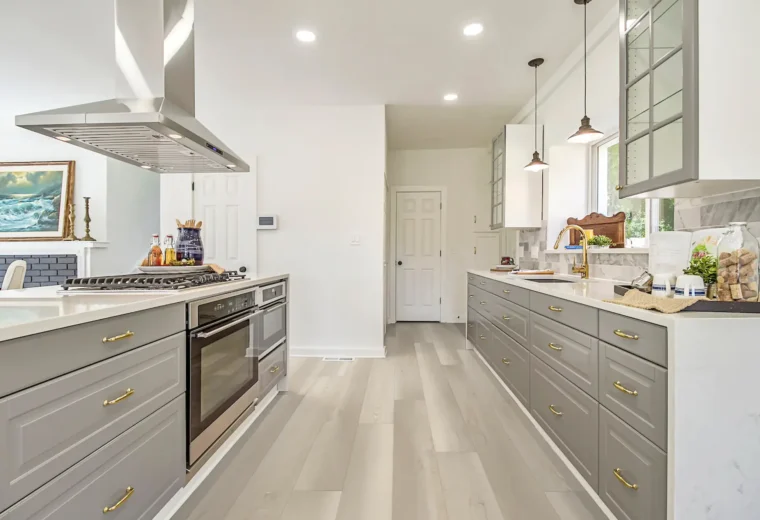
This is probably my top recommendation for most pet owners, and I don’t say that lightly. Pet-friendly flooring doesn’t get much more practical than a good rigid-core LVP — waterproof, scratch-resistant with the right wear layer, and forgiving if a nail catches it wrong.
Look for a wear layer of at least 20 mil for households with larger or more active dogs. Anything thinner and you’ll start seeing scuff marks within a year or two.
Tile
Ceramic and porcelain tile are nearly indestructible against claws — genuinely hard to scratch, and completely waterproof, which makes cleanup after accidents almost trivial.
The downside? It’s cold, hard on joints (yours and your pet’s), and can be slippery when wet unless you choose a textured or matte finish. Grout lines also collect dirt and pet hair more than a sealed surface would.
Laminate
Mid-range laminate with a high AC rating (AC4 or AC5) holds up reasonably well against light scratching, though it’s not as forgiving as vinyl if water gets trapped at the seams for too long.
I’ve noticed laminate gets recommended a lot as a “budget-friendly, pet-safe” option, and it’s fine — but it’s not my first choice if you’ve got a dog prone to accidents. Water damage at the seams is a real risk over time.
Engineered Hardwood
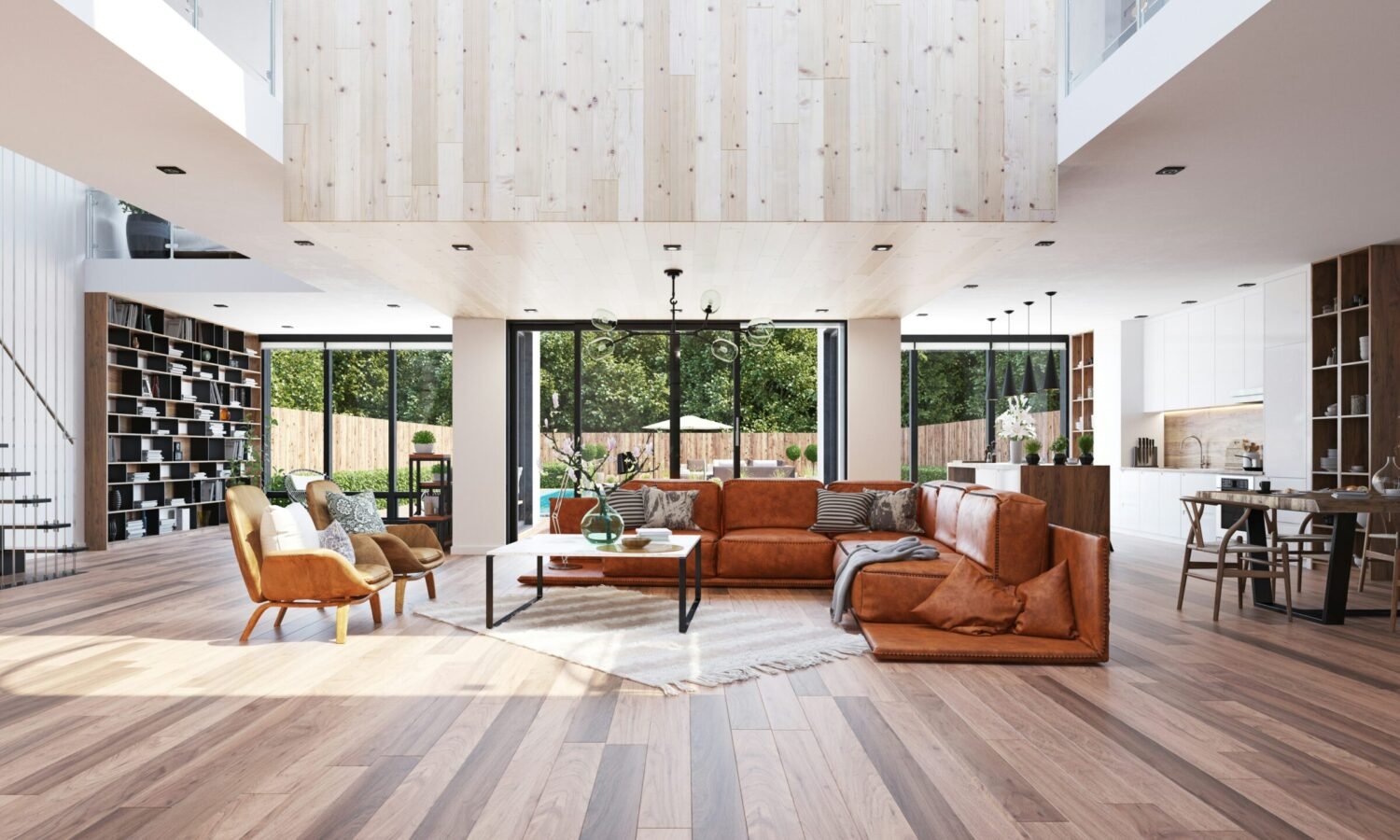
If you love the look of wood and can’t give it up, engineered hardwood with a hard species (oak, hickory) and a scratch-resistant finish is a reasonable middle ground — better than solid hardwood, though still not as tough as vinyl or tile.
Flooring Materials to Avoid With Pets
Some materials just don’t hold up, no matter how careful you are or how well-behaved your pet is.
- Solid hardwood (soft species like pine) — scratches show up almost immediately, and refinishing every few years gets expensive fast.
- Carpet — absorbs odors, stains easily, and is genuinely difficult to fully clean after repeated accidents. I know it’s cozy, but it’s a tough sell with pets.
- Natural stone with a honed or polished finish — beautiful, but often too slippery for pets, and some stones (marble especially) stain easily from urine acidity.
- Cork flooring — soft and comfortable underfoot, but that softness works against it here; claws dig in more easily than you’d expect.
Picture a small business owner in Jaipur who runs a pet boarding facility and initially installed polished marble in the reception area because it looked upscale. Within six months, dogs were slipping constantly and the marble had visible etching from urine. She switched to textured vinyl tile and never looked back.
Scratch Resistance: What the Ratings Actually Mean
For wood and laminate flooring, the Janka hardness scale and AC rating system indicate scratch resistance — higher Janka numbers and AC4/AC5 ratings mean the surface holds up better against claws, though vinyl and tile use different durability metrics entirely.
The Janka scale measures how much force it takes to embed a steel ball halfway into a wood sample. Oak sits around 1,290 on this scale; pine is much softer at around 380-420. That gap is the difference between a floor that shrugs off claws and one that shows every scratch within weeks.
For vinyl, look at the wear layer thickness instead — this is the clear protective top layer, measured in mils. Residential-grade vinyl often starts around 6-12 mil, which is fine for light use but not ideal for larger or more active pets. Commercial-grade vinyl, 20 mil and up, handles pet traffic much better.
Laminate uses the AC rating system (AC1 through AC5), originally designed for commercial foot traffic ratings. AC4 or AC5 laminate is dense enough to resist most claw scratches, though it’s still not fully waterproof like vinyl.
[link to guide on how to install vinyl plank flooring here]
Traction and Slip Resistance for Pets
Smooth, glossy flooring surfaces can cause pets — especially older dogs or large breeds — to slip and strain joints, so textured or matte finishes are generally the safer choice for households with pets.
This one doesn’t get talked about enough. Everyone focuses on scratches, but traction affects your pet’s actual health and comfort day to day.
A few practical fixes if you’re not ready to replace your entire floor:
- Add area rugs with non-slip backing in high-traffic zones — hallways, near food bowls, favorite lounging spots.
- Keep nails trimmed regularly, since longer nails reduce paw grip significantly on smooth surfaces.
- Consider a matte or textured finish if you’re choosing new flooring, rather than high-gloss.
- For senior pets specifically, non-slip pads or runners near stairs and doorways can prevent falls.
I’ll admit, rugs everywhere isn’t the most elegant look. But watching an older dog struggle for grip on a slick floor isn’t great either, and the trade-off is usually worth it.
Odor and Stain Management
Sealed, non-porous flooring like vinyl and tile resists odor absorption far better than carpet or unsealed wood, making cleanup after accidents faster and preventing long-term smell buildup in the home.
Accidents happen, especially with puppies or older pets. What matters is how the flooring responds afterward.
- Vinyl and tile: Wipe clean, minimal odor absorption if cleaned promptly.
- Sealed hardwood/laminate: Manageable if caught quickly, but repeated accidents at the same spot can eventually seep into seams.
- Carpet: Absorbs liquid deep into the padding, often requiring professional cleaning or padding replacement to fully remove odor.
- Unsealed grout lines (tile): Can stain and hold odor over time if not sealed properly — worth re-sealing grout every couple of years in high-traffic pet areas.
A pH-neutral enzymatic cleaner works far better than generic floor cleaners for pet accidents specifically — the enzymes actually break down the odor-causing compounds rather than just masking the smell temporarily.
Cost Comparison of Pet-Friendly Flooring Options
Vinyl plank and laminate offer the best balance of durability and affordability for pet-friendly flooring, typically costing ₹150-₹450/sq ft installed, while tile and engineered hardwood run higher at ₹250-₹700/sq ft depending on grade.
Here’s a rough breakdown for budgeting purposes:
- Vinyl plank (LVP/SPC): ₹150-₹450/sq ft — best overall value for most pet households.
- Laminate: ₹120-₹300/sq ft — budget-friendly, decent scratch resistance, less water-tolerant.
- Ceramic/porcelain tile: ₹200-₹500/sq ft — excellent durability, higher installation cost due to labor.
- Engineered hardwood: ₹350-₹700/sq ft — better looks, moderate durability, needs more careful maintenance.
[link to related guide on new roof and home renovation costs here]
Worth remembering: cheaper flooring that needs replacing in 3-4 years because of pet wear isn’t actually cheaper in the long run. Factor in how long the material realistically lasts under your specific pet’s habits, not just the sticker price.
FAQs
What is the most scratch-resistant flooring for dogs? Tile and high wear-layer vinyl plank are generally the toughest against claw scratches, with tile being nearly scratch-proof and vinyl close behind while offering better comfort and warmth underfoot.
Is laminate flooring good for dogs? Laminate with an AC4 or AC5 rating handles scratches reasonably well, but it’s more vulnerable to water damage at the seams than vinyl, so it’s a better fit for households without frequent accidents.
What flooring is best for large dogs that shed a lot? Vinyl and tile are easiest to keep clean of shed fur since they’re smooth and non-porous, while carpet traps loose hair and dander much more stubbornly, even with regular vacuuming.
Can pet urine damage vinyl flooring? Quality vinyl is generally resistant to urine damage if cleaned promptly, since it’s non-porous — the bigger risk is liquid seeping into seams if accidents aren’t wiped up quickly.
Is hardwood flooring bad for pets? Solid hardwood, especially softer wood species, scratches easily and can be slippery for pets — engineered hardwood with a hard species and durable finish is a somewhat better option if you want the wood look.
What flooring is safest for senior pets with joint issues? Textured vinyl or matte-finish tile with good traction is generally safer than glossy or polished surfaces, which can cause slipping and put extra strain on aging joints.
Conclusion
Choosing pet-friendly flooring really comes down to balancing scratch resistance, water resistance, and traction — no single material wins on all three, but vinyl plank comes closest for most households. Tile is unbeatable for durability if you don’t mind the harder, colder feel underfoot, and it’s worth avoiding soft hardwood, carpet, and polished stone if your pet is active or accident-prone.
Before you commit to a full room replacement, order a few samples and actually test them at home — let your pet walk on them, see how they handle a spilled water bowl, and go from there. Your floors (and your pet’s joints) will thank you for the extra step.